The desert climate in maintenance calendar presents unique challenges for roof longevity. Trees, pests, and rooftop equipment contribute to accelerated wear and tear, compromising the integrity of your home's protective barrier. Understanding these factors and incorporating regular checks, like examining flashing for gaps, into your maintenance calendar is crucial to extend the life of your roof. This article provides a practical guide to identifying and mitigating these common issues, empowering you to protect your investment and ensure a safe, secure home environment. By the end, you'll be equipped with the knowledge to make informed decisions about your roof's health and upkeep.
- Understanding Roof Degradation Causes
- Trees, Pests, and Equipment: The Three Pronged Attack
- Examining Flashing: Preventing Water Infiltration
- Regular Maintenance: Proactive Roof Care Strategies
Understanding Roof Degradation Causes
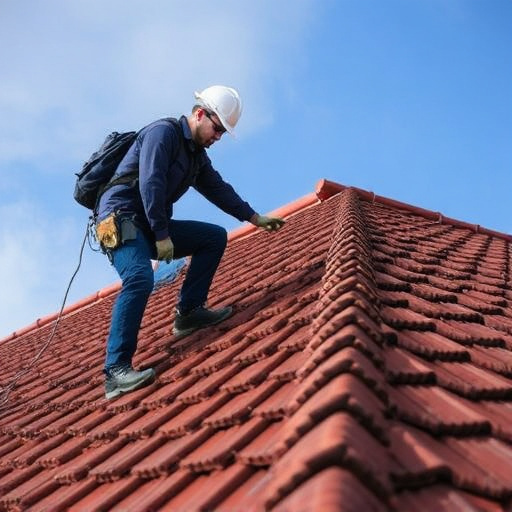
Trees, pests, and rooftop equipment can significantly contribute to a roof's degradation over time. In the arid climate of Rita Ranch in the Catalina Foothills, these factors become even more critical due to the unique environmental conditions. Let's examine the specific ways these elements impact your roof's health.
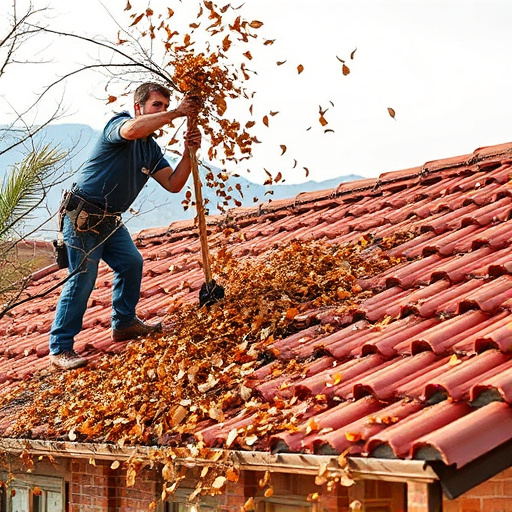
One of the most visible and damaging contributors is tree growth. Roots from nearby trees can infiltrate and disrupt the integrity of the roof membrane, leading to leaks and extensive damage. Large shade trees can cause the surface to become wetter, accelerating the decay of materials, especially in the summer heat. Fallen leaves and pine needles from these trees can clog gutters and drains, further exacerbating water pooling around the roof. Regular clearing of these debris is essential, especially after monsoon seasons, to prevent water damage and ensure proper drainage.
Pests, such as termites and ants, are another silent menace. They can infiltrate through the smallest cracks, chewing through the roof's underlayment and damaging the structure. Termites, in particular, are attracted to wooden components, including roof trusses and shingles. DC Roofing of Arizona, a local Tucson roofing contractor, recommends periodic inspections to identify and mitigate pest infestations. Early detection and professional treatment can save you from costly repairs and ensure the longevity of your roof.
Rooftop equipment, like solar panels or air conditioning units, can also take a toll on your roof. The constant movement and weight of these installations can cause stress points, leading to cracks in the shingles or damage to the underlayment. For homes with solar panels, the additional weight requires reinforced mounting systems to prevent damage. The flashing around these equipment openings must be meticulously checked and sealed to prevent water intrusion. Regular maintenance, including checking flashing for gaps, is crucial to ensure these systems operate safely and extend the life of your roof.
Trees, Pests, and Equipment: The Three Pronged Attack
Trees, pests, and rooftop equipment pose a relentless trio of challenges to your roof's health and longevity, particularly in the harsh desert climate of Tucson. These factors can independently weaken your roof, but combined, their impact can be devastating. Let's explore each of these common issues and how they contribute to roof wear and tear:
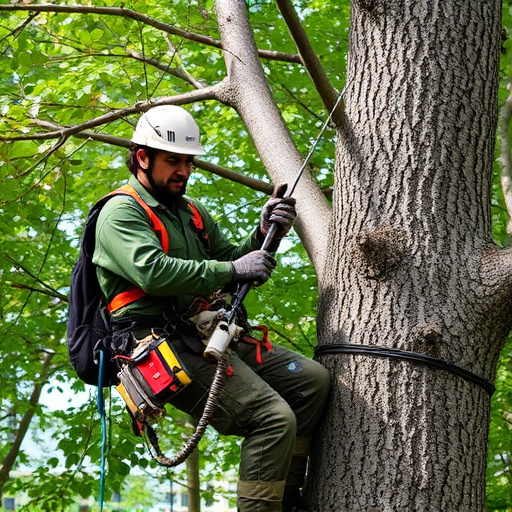
Trees: Deep-rooted trees, especially those close to your roof, can be both a beauty and a beast. Their branches can overhang and drop debris like leaves, pine needles, and even branches, clogging gutters and downspouts. This debris buildup not only blocks water flow, potentially causing damage to your roof and foundation, but it also provides a breeding ground for mold and mildew. Tree roots can exert pressure on shingles, tiles, or metal panels, causing them to lift and become vulnerable to wind damage. Regular trimming of trees and branches near your roof is crucial, and a Tucson roofer with an Arizona ROC license can assist with safe and effective tree maintenance strategies.
Pests: Pest infestations, from ants and roaches to termites and rodents, can wreak havoc on your roof. Insects like ants and roaches are attracted to the moisture found in some roofing materials, while termites feed on wood, including wooden roof trusses and shingles. Rodents, seeking shelter and warmth, can gnaw on wiring, insulation, and even the roofing itself. Regular inspections are crucial to identifying pest infestations early. Preventative measures like sealing entry points, eliminating moisture sources, and addressing any wood damage are essential to protect your roof.
Rooftop Equipment: While essential for comfort and efficiency, rooftop equipment like swamp coolers, air conditioning units, and ventilation fans are also contributors to roof wear. These systems can cause wear and tear to your roof through constant movement, vibration, and exposure to harsh weather conditions. The AC unit's compressor can cause slight movement of the roof, and the constant operation of fans can lead to wear on the roof's surface. Regular maintenance of these systems, including cleaning, lubrication, and replacement of worn parts, is crucial to minimize their impact on your roof. Consider the strategic placement of equipment to minimize shadowing and heat transfer, which can also affect the integrity of your roofing materials. Devices like pigeon spikes can help deter pigeons and other birds from nesting on your roof, further protecting your equipment and the overall structure.
When maintaining your roof, never forget to check flashing for gaps. Flashing serves as a crucial seal around roof penetrations like chimneys, vents, and skylights, preventing water from seeping in. Over time, flashing can become damaged, corroded, or detached, leaving these areas vulnerable to leaks. Regular inspection and timely repairs are key to maintaining a watertight roof.
Examining Flashing: Preventing Water Infiltration
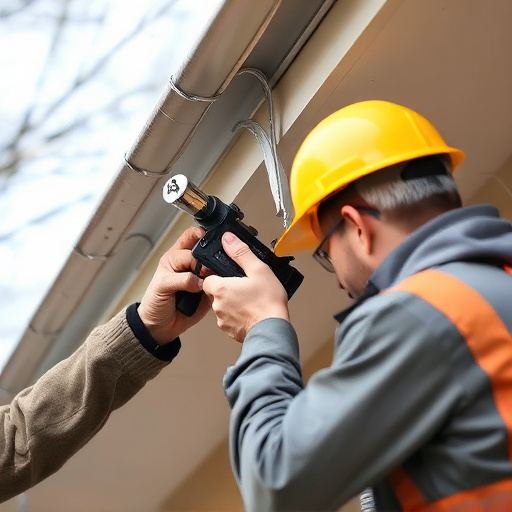
Checking flashing for gaps is a crucial part of maintaining your roof's integrity, especially in the unique environment of Midtown Tucson where varying climates, from intense summer heat to monsoon season, put stress on every component. Flashing, a thin layer of weather-resistant material, seals the joints and edges of your roof where it meets walls, chimneys, and other structures. Over time, however, this protective barrier can become damaged, allowing water to infiltrate and cause significant structural damage.
The wear and tear on flashing due to desert conditions is exacerbated by several factors. Trees, for instance, can damage flashing with their roots or branches. Pests like termites can also compromise the integrity of the flashing. Rooftop equipment, such as solar panels or vents, can apply constant pressure, leading to tears or lifts in the material. A local Tucson roofing company recommends inspecting flashing regularly for signs of wear, especially in areas with higher wind or tree coverage. Look for gaps, cracks, or loose edges, which could allow water, moisture, and pests to enter your home.
One effective way to prevent water infiltration is to install bird stops and maintain them regularly. Bird nests and debris can accumulate, blocking gutters and downspouts, and creating additional stress on flashing. Similarly, checking and cleaning gutters and roof drains is essential, as clogged drainage systems can cause water to overflow and seep under the flashing. Remember, proactive maintenance is key to extending the life of your roof in the harsh Tucson climate. A well-maintained bird stop can save you from costly repairs in the fall after a haboob, when strong winds and debris can severely test your roof's defenses.
Regular checks of flashing for gaps, along with proper upkeep of bird stops and drainage systems, can help your roof withstand the elements. These simple, seasonal tasks are a fraction of what goes into a comprehensive roof maintenance plan, but they're crucial in keeping your Midtown Tucson home protected.
Regular Maintenance: Proactive Roof Care Strategies
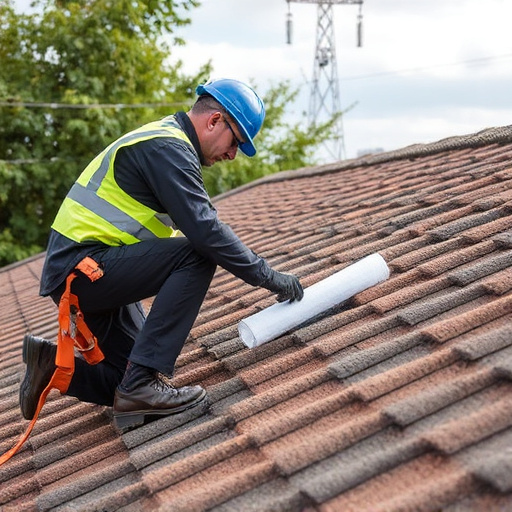
Regular maintenance is key to extending the life of your desert roof, especially in the face of the Tucson climate's unique challenges. Trees, pests, and rooftop equipment can all contribute to wear and tear over time, so a proactive roof care strategy is essential. Consider these maintenance tasks to safeguard your investment and ensure optimal performance, especially during monsoon season.
One of the first steps in maintaining your roof is inspecting it for any signs of damage or wear, including checking flashing for gaps. Flashing, which seals the joints and corners of the roof, is crucial for preventing water intrusion. Regular checks, especially after extreme weather events like a haboob, can catch issues early. Strong winds can lift and shift flashing, creating openings that allow moisture to enter and compromise the roof's integrity. A Tucson roofer with an Arizona ROC license recommends inspecting flashing and sealing any gaps with a suitable sealant to maintain a watertight barrier.
Rooftop equipment, such as air conditioners (ACs) and pipe boots, require regular maintenance, too. These components are vital for comfort and energy efficiency, but they can be susceptible to desert pests like pigeons and other birds. Over time, nests and droppings can accumulate, blocking gutters and downspouts, and even damaging the roof itself. A simple solution is to trim trees and shrubs near the roof regularly, preventing them from providing a breeding ground for these pests. Periodic cleaning of dust and debris from the roof, especially flat or tile roofs, ensures optimal performance and appearance.
Landlords and homeowners alike should include roof maintenance in their annual calendar. A well-maintained roof not only boosts the home's value but also ensures peace of mind. Regular cleaning, inspections, and repairs, such as resealing roof penetrations and touch-up coating, can significantly extend the roof's lifespan. By incorporating these proactive strategies, you can protect your investment and avoid costly repairs down the line.
Frequently Asked Questions About an Explainer on How Trees, Pests, and Rooftop Equipment Wear Down a Roof
What causes damage to roofs from trees? Trees can damage roofs through their roots, branches, and falling debris. Tree roots can penetrate and weaken roof shingles or tiles, while branches overhanging the roof can cause impact damage during storms. Falling tree branches or leaves can also clog gutters, leading to water damage. Regular tree maintenance and proper landscaping can mitigate these issues.
How do pests contribute to roof wear and tear? Pests like termites, ants, and rodents can significantly damage roofs. Termites, for instance, can chew through wood, compromising the structural integrity of roof trusses and sheathing. Rats and squirrels can also cause damage by gnawing on wiring, insulation, and shingles, leading to leaks and further deterioration. Regular pest control inspections and treatments are essential for prevention.
What role does rooftop equipment play in roof wear? Rooftop equipment, such as air conditioners, vents, and satellite dishes, can accelerate roof wear. These items can act as focal points for debris accumulation, increasing the risk of impact damage. Improperly installed or maintained equipment can cause leaks, further compromising the roof's integrity. Regular cleaning and maintenance of these components are crucial.
How can I prevent tree damage to my roof? To minimize tree damage, trim trees regularly to keep branches away from the roof. Plant trees at a safe distance from your home and consider using trees that are less likely to drop large, hard fruits or leaves. For existing trees, apply a protective barrier around the tree's base to prevent root intrusion.
What steps should I take to control pest damage to my roof? Regular pest control treatments and inspections are vital. Seal entry points and cracks, and ensure proper ventilation to deter pests. Keep your property clean and free of debris, as pests are attracted to food sources and hiding places. Address any water leaks immediately, as standing water can attract pests.
How can I maintain rooftop equipment to avoid wear and tear? Regular cleaning and inspections of rooftop equipment can prevent damage. Remove debris from around the equipment and ensure proper ventilation. Inspect for signs of wear or damage and perform necessary repairs or replacements promptly. Schedule professional maintenance for detailed checks and adjustments.
Trees, pests, and rooftop equipment are a formidable trio that can significantly impact the longevity of your roof. By understanding how these elements contribute to degradation, homeowners and property managers can implement effective strategies to protect their investments. Regular, seasonal roof maintenance, including checking flashing for gaps, plays a crucial role in preventing water damage and extending the life of your roof. Proactive care, such as trimming trees near the roof and preventing pigeon and pest nesting, can save money in the long run by avoiding costly repairs. This comprehensive approach, coupled with proper gutter and downspout cleaning and sealing roof penetrations, ensures your roof remains in top condition, safeguarding your home's value and ensuring the reliability of your roofing system, especially during the demanding Tucson climate and monsoon season.
Trees, pests, and rooftop equipment accelerate a desert roof's degradation. Regular clearing of tree debris and pest inspections prevent water damage. Flashing checks and maintenance are crucial, as it seals joints and prevents leaks. Rooftop equipment, like AC units, requires cleaning and protection from birds. Proactive annual maintenance, including inspections and repairs, extends the roof's lifespan.