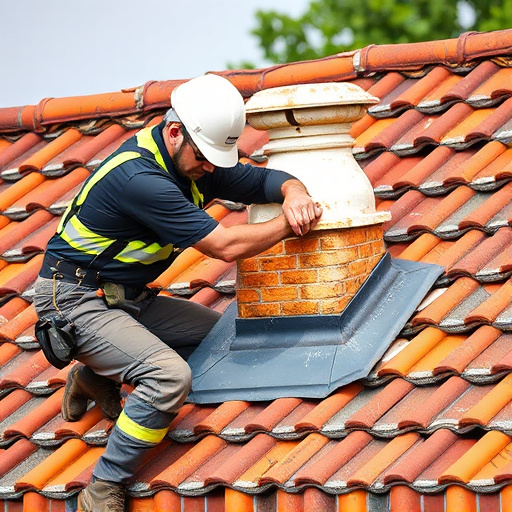
As a Tucson homeowner, your roof is a critical defense against the elements, playing a key role in protecting your home's value and ensuring comfort. However, the harsh conditions of our desert climate, especially during monsoon season, can take a toll on your roof. Neglecting proper maintenance can lead to costly repairs and even pose safety risks. This guide offers a comprehensive, seasonal roof care checklist, from ground-level preparation to ladder-focused tasks, to help you extend your roof's lifespan and ensure its optimal performance, all while safeguarding your investment and your family. Let's examine the essential monsoon roof prep tasks and learn how to maintain your roof year-round.
- Ground-Level Safety: Prepping for Monsoon Roof Care
- Ladder Maintenance: Ensuring Secure Access for Roof Tasks
- Monsoon Roof Inspection: Identifying Damage and Repairs
- Safe Work Practices: Monsoon Season Roof Care Checklist
Ground-Level Safety: Prepping for Monsoon Roof Care
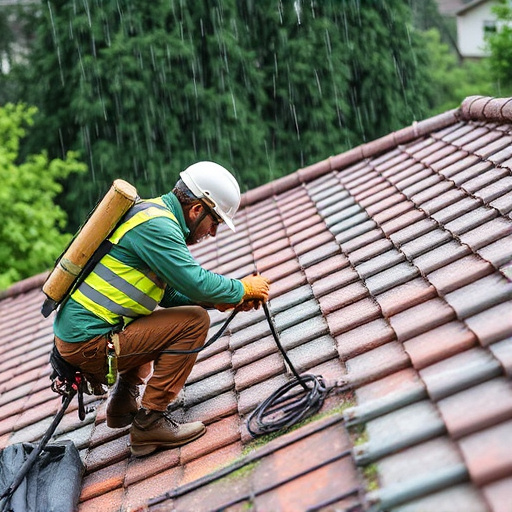
When preparing for monsoon roof care, it's crucial to prioritize safety from the ground level up. This involves a series of essential tasks designed to ensure a thorough and secure cleaning and inspection. Start by examining your roof's valleys, the low points where water collects. Clear these channels of debris, especially leaves and pine needles, as they can obstruct water flow and lead to damage during intense Arizona summer storms. Remember, a licensed Arizona roofer recommends addressing these channels first, as they are often overlooked.
Next, focus on the roof's structure and surface. Inspect concrete tile roofs for any cracked or missing tiles, replacing them as needed. This is a critical step, as cracked tiles can expose the underlying surface to water intrusion, leading to costly leaks. Also, check for signs of UV damage, common in the desert climate, which can weaken shingles and tiles. Regular cleaning and resealing can mitigate this effect, extending your roof's life.
Ladder safety is paramount. When using a ladder to access your roof, ensure it's securely placed on level ground and angled correctly. Never leave a ladder unattended, especially near power lines. Consider the condition of your roof's edges and eaves; trim any overhanging branches or trees that could pose a risk during high winds or storms. Inspect and maintain rooftop equipment, like swamp coolers and AC units, as they require periodic cleaning and checks for proper drainage to prevent water damage.
Finally, prepare a log of your maintenance activities, documenting when tasks are completed and any issues noted. This log is valuable for tracking your roof's condition and can serve as a record for insurance purposes or when selling your home. By diligently performing these monsoon roof prep tasks, you'll contribute to the long-term health and safety of your roof, ensuring its protection against the elements and maintaining your home's value.
Ladder Maintenance: Ensuring Secure Access for Roof Tasks

Maintaining access to your roof safely is crucial, especially during the intense summer heat and the monsoon season. A Tucson roofer with an Arizona ROC license recommends regular inspections and upkeep, especially around areas requiring ladder access. Here's a homeowner checklist to ensure secure access for roof tasks, focusing on tasks to prepare for monsoon season.
Start with a thorough inspection of your ladder. Check for any signs of wear and tear, such as broken rungs or loose hinges. Replace any damaged ladders immediately. A sturdy, well-maintained ladder is essential for safe access to your roof. Ensure it's positioned securely on a level surface, away from power lines or other hazards. Remember, a ladder leaning against your house may seem stable, but it's not a safe substitute for a properly set up ladder with a rope or belt for support.
Consider the task at hand. Gutter and downspout cleaning, for instance, requires a secure ladder placement. Never use a ladder without a safe, secure footing. For tasks involving tree trimming near the roof, use a sharp pair of pruners and a ladder sturdy enough to support two people, especially if you plan to remove branches that could fall onto the roof. If pigeons have made your roof their home, consider humane pigeon spikes as a permanent solution, rather than relying on a ladder to repeatedly remove them.
Monsoon season brings increased winds and potential debris, making it even more critical to ensure your ladder is secure. Regular maintenance, including cleaning and inspection, can extend the life of your ladder. By following these safety guidelines and incorporating these tasks into your monsoon roof prep routine, you'll ensure a safer, more secure roof for your home.
Monsoon Roof Inspection: Identifying Damage and Repairs
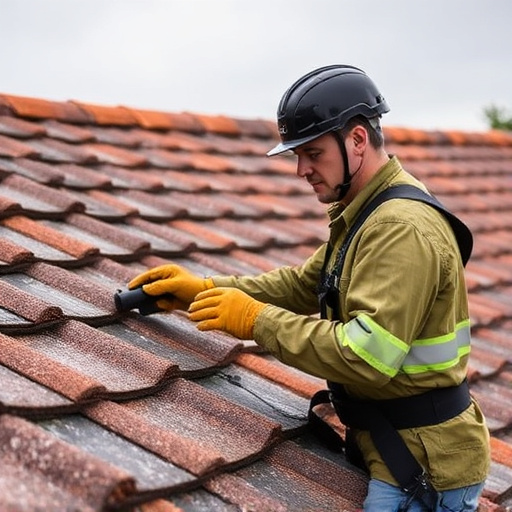
As monsoon season rolls around each year, it's crucial for Tucson homeowners to perform a thorough inspection of their roofs, identifying any potential damage and addressing repairs promptly. This process, known as monsoon roof prep tasks, is essential for maintaining the integrity and longevity of your roof, especially in our desert climate where extreme weather conditions can take a toll on structures. A licensed Arizona roofer with an ROC license can guide you through this checklist, ensuring your home's protection.
One of the key areas to focus on during your inspection is the condition of the roof's surface. Look for any missing or damaged shingles, as these can expose the underlayment to the elements, leading to water penetration and further issues. Consider the type of roofing material you have-shingle roofs, for instance, require regular upkeep to replace worn or curled shingles. Spray polyurethane foam (SPF) roofs, a popular choice for energy efficiency, need to be inspected for any signs of cracking or peeling, which could compromise its effectiveness.
Another critical aspect is the state of your roof's drainage system. Clear leaves and pine needles from gutters and downspouts to prevent clogs that can cause overflow and water damage. Check for any debris blocking roof drains, and ensure proper drainage away from the foundation. In Tucson, where swamp coolers and rooftop air conditioning units are common, regular maintenance is vital. Inspect these units for any signs of damage or corrosion, and consider professional cleaning to ensure optimal performance and longevity. Regular checks for flashing gaps, especially around chimneys and vent pipes, are also essential to prevent water intrusion. Early replacement of cracked tiles or shingles can save you from costly repairs later, so stay vigilant and address these issues promptly.
Safe Work Practices: Monsoon Season Roof Care Checklist

The monsoon season in Midtown Tucson brings both warmth and a unique set of challenges for homeowners, particularly for roof care. As the climate shifts, so does the maintenance schedule. This period requires specific attention to ensure your roof remains in top condition, protecting your home and investment. Here's a practical guide to navigating monsoon roof prep tasks and promoting your roof's longevity.
Safe work practices are paramount when tackling roof maintenance, especially during the monsoon. First, inspect your roof for any signs of damage from the previous dry season. Look for missing or damaged shingles, leaks, or areas where water might be pooling. A licensed Tucson roofer with an Arizona ROC license can assist with these initial checks, ensuring you identify potential issues before they escalate. Once the roof's condition is assessed, proceed with the necessary repairs, such as replacing cracked tiles or resealing penetrations. Remember, timely intervention is key to preventing more extensive damage later.
Monsoon season brings increased moisture, making it crucial to maintain clear gutters and downspouts. This prevents water buildup and potential roof leaks. Schedule regular gutter cleaning, removing any leaves, pine needles, or debris that could hinder water flow. Check and clean your roof drains to ensure they're free from obstructions. For flat or low-pitch roofs, consider applying a protective coating between coats of paint to safeguard against UV damage, a common issue in the Arizona sun.
Pest control is another critical aspect of monsoon roof care. Birds and other animals may seek shelter on your roof during these months. Install bird stops and eave protectors to deter unwanted visitors. Take preventive measures against pests like scorpions and termites, which are drawn to water sources. A professional roofer can recommend and install appropriate barriers, ensuring your roof remains their last stop. A Tucson roofer with an Arizona ROC license can assess your property and recommend the best pigeon spike solution for your needs.
Frequently Asked Questions About a homeowner checklist for safe roof care from the ground and the ladder
What is the most important safety consideration when inspecting my roof?
When inspecting your roof, prioritize safety above all else. Always wear appropriate personal protective equipment (PPE), including a hard hat, non-slip boots, and safety goggles. Ensure you have a stable, secure ladder that's the right size for the job, and never climb without proper support or a spotter. Regularly inspect your ladder for damage or wear, and never use it without checking its stability on different terrain. Remember, a single misstep can lead to serious injury, so taking safety precautions is crucial.
When should I inspect my roof for damage?
Regular roof inspections are key to maintaining its integrity. Inspect your roof at least twice a year, especially after extreme weather events like storms, strong winds, or heavy snowfall. Look for signs of damage like missing or loose shingles, leaks, mold, or structural weaknesses. Also, consider examining your roof after significant changes in weather patterns or if you notice unusual noises during storms.
How can I safely clean my roof gutters?
Gutter cleaning is an essential part of roof maintenance. To safely clean your gutters, gather the necessary tools: a sturdy ladder, a bucket, gloves, and a trowel or scrub brush. Wear appropriate safety gear and secure the ladder properly. Start by removing any debris from the top of the gutters, then use the trowel to loosen and extract built-up leaves and dirt. Rinse the gutters thoroughly with a hose and ensure downspouts are clear. Never climb on the roof or use a pressure washer, as these can damage the shingles and gutters.
What should I do if I notice a leak in my roof?
A roof leak is a serious matter that requires immediate attention. When you notice a leak, first turn off the main water supply to prevent further damage. Then, inspect your roof for damaged or missing shingles, or signs of water intrusion. Contact a licensed roofing contractor to assess the damage and provide a repair solution. Prompt action is crucial to avoid extensive interior damage and potential structural issues.
How do I know if I need to replace my roof?
Regular inspections and maintenance can prolong your roof's lifespan. However, there are signs indicating it might be time for a replacement. Look for damaged or missing shingles, leaks that can't be repaired, mold or mildew growth, or increased energy bills due to poor insulation. If your roof is older than 20 years and showing these signs, it's likely time for a replacement. A licensed roofer can provide a professional assessment and recommend the best course of action.
As Tucson's monsoon season approaches, homeowners must be prepared to safeguard their roofs against potential damage. This article has provided a practical guide to ensure safe roof care, covering essential aspects like ground-level safety preparations, ladder maintenance, and a detailed monsoon roof inspection checklist. By following these practices, homeowners can extend the lifespan of their roofs, protect their home values, and ensure a secure living environment.
The key takeaways are clear: regular maintenance, such as clearing leaves and pine needles from gutters and drains, is crucial to prevent clogs and water damage. Checking for gaps in flashing and repairing any cracked tiles or shingles early on can save costly repairs down the line. DIY enthusiasts will find value in understanding the basics, but for more intricate tasks, enlisting a licensed Tucson roofing contractor is advised to ensure roof safety and maintain the warranty.
A proactive approach to monsoon roof prep tasks is the best defense against potential disasters. This article equips homeowners with the knowledge to take care of minor issues themselves and recognize when professional help is needed, ultimately contributing to a more robust, weather-resistant, and valuable home.
Homeowners in Tucson should prioritize monsoon roof prep tasks to ensure roof safety and longevity. This includes:
- Valley Cleaning: Remove debris from roof valleys to prevent water blockage.
- Tile & Shingle Inspection: Replace cracked or missing tiles/shingles and check for UV damage.
- Ladder Safety: Securely place ladders, avoid hazards, and maintain regular inspections.
- Gutter & Drain Care: Keep gutters clear, check drains for obstructions.
- Pest Control: Install bird stops, deter pests with professional barriers.
- Documentation: Keep a log of maintenance activities for tracking and insurance.
These tasks ensure a secure, well-maintained roof, protecting your home from monsoon season challenges.