The roof is a critical component of your home's defense against the elements, so its proper care and maintenance are essential. After a haboob-the intense dust storms common in Tucson-your roof may have sustained damage or collected debris, necessitating specific attention. This checklist guides homeowners through a thorough roof inspection, from ground level to ladder work, to ensure a safe, long-lasting, and efficient maintenance process. We'll walk you through preparing for and completing essential tasks, including clearing debris, inspecting for damage, sealing penetrations, and maintaining equipment, all crucial for protecting your investment and maintaining your home's value.
- Ground-Level Inspection: Spotting Issues Before Climbing
- Ladder Safety: The Right Gear for Secure Access
- Post-Haboob Maintenance: Cleaning, Repairs, and Prevention
- Regular Care: Ensuring Your Roof's Longevity Through Maintenance
Ground-Level Inspection: Spotting Issues Before Climbing
Before tackling any roof care task, homeowners should conduct a thorough ground-level inspection to identify potential issues. This step is crucial, especially after a haboob or intense desert storm, as it allows you to spot damage that might otherwise go unnoticed until it becomes a bigger problem. The monsoon season brings strong winds, heavy rain, and sometimes even hail, all of which can impact your roof.
Starting from the ground, visually inspect your roof for any signs of damage. Walk around the perimeter, checking for loose or missing shingles, especially in areas prone to wind exposure. Examine the gutters and downspouts for clogs, as debris buildup can lead to water damage and leaks. Look for signs of pest activity, like nests or droppings, as well as tree branches that could pose a risk during the next storm. After a haboob, check for any debris accumulated on your roof, including dust and even small branches. DC Roofing of Arizona, a licensed Tucson roofing contractor, recommends using a pair of binoculars to spot issues in hard-to-reach areas, such as the corners or along the ridge.
Take this opportunity to assess the condition of your solar panels. If you have solar panels installed, ensure they are clean and free from obstructions. Debris or dirt buildup can reduce their efficiency, so a regular cleaning is essential, especially in dusty environments like Tucson. Check the panels' connections and wiring for any signs of damage or corrosion, being mindful of any potential issues caused by recent storms. This inspection step is vital for maintaining the longevity and performance of your solar energy system.
Ladder Safety: The Right Gear for Secure Access

Ladder safety is a crucial aspect of roof care, especially in the unique climate of Tucson. When preparing for post-haboob maintenance or routine upkeep, selecting the right gear is essential to ensure secure access to your roof. A licensed Arizona roofer with an ROC license recommends the following checklist to help you maintain your roof safely and effectively:
First, invest in a sturdy, well-maintained ladder suitable for outdoor use. Consider a step ladder for accessibility and ease of use. Ensure it reaches at least 3 feet beyond the roof's edge, and check the weight capacity to accommodate your tools and your own body weight. Inspect the ladder for any signs of wear or damage before each use, and replace rungs or side rails if necessary. Proper ladder selection is fundamental to preventing accidents.
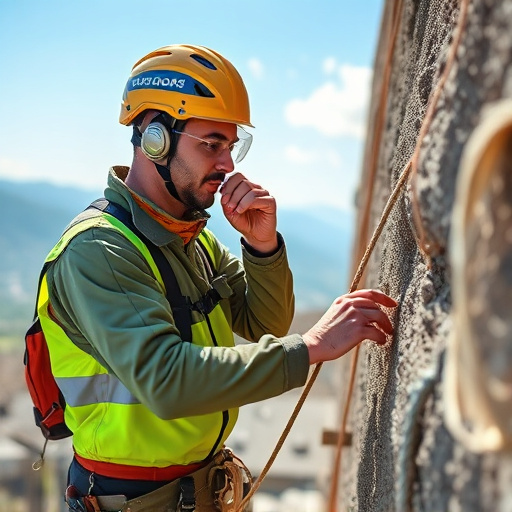
Next, protect yourself with appropriate clothing and gear. Wear a well-fitted hard hat to shield your head from falling debris, and sturdy gloves to guard your hands. In the post-haboob environment, dust and debris can be abundant, so consider a respirator or face mask to avoid inhalation of harmful particles. After a haboob, concrete tile roofs may be heavily coated in dust, necessitating the use of a respirator for safety. Check your boots for traction and ensure they fit properly to prevent slipping on the roof's surface.
Proper equipment placement is also key to safety. When using a ladder, place it on a level, solid surface away from power lines or other hazards. Ensure the ladder's feet are securely positioned, and always have someone spot you, especially if you're working at a height. Remember, a single misstep can lead to severe injury, so prioritize safety at every step, including when clearing debris from downspouts and gutters. After a haboob, these areas may accumulate large amounts of leaves and pine needles, blocking water flow and potentially causing damage. Regular cleaning and maintenance prevent these issues from escalating.
Post-Haboob Maintenance: Cleaning, Repairs, and Prevention

After a haboob, the desert heat leaves behind a layer of dust and debris that can significantly impact your roof's health. This post-storm maintenance period is crucial to ensuring your roof remains in top condition and protecting your home value. The following checklist guides homeowners on what to do after a haboob to maintain and repair their roofs safely, from the ground and up.
Start by clearing all leaves, pine needles, and other debris from your roof and gutters. This is essential to prevent blockages that could lead to water damage during the next rain. Inspect your downspouts and pipe boots for any cracks or damage. These components play a vital role in directing water away from your roof, and repairs or replacements may be necessary. A roofing contractor serving Tucson and Oro Valley may recommend replacing worn-out pipe boots to avoid leaks.
Next, focus on cleaning. Use a soft brush or vacuum to remove any built-up dust from your roof surface. Be cautious when using ladders; ensure they are securely placed and someone is below to catch any falls. In the desert, UV damage is a constant concern. Regular cleaning helps prevent the accumulation of grime that can absorb sunlight, speeding up the aging process of your roof shingles.
After cleaning, examine your roof for any damage. Look for cracked or missing tiles, especially in areas exposed to direct sunlight. While some cracks may be normal, any signs of extensive damage should be addressed immediately. A professional roofer can help assess and repair these issues, ensuring your roof is secure and watertight. Remember, early intervention can save you money in the long run by preventing more serious and costly repairs.
Regular Care: Ensuring Your Roof's Longevity Through Maintenance
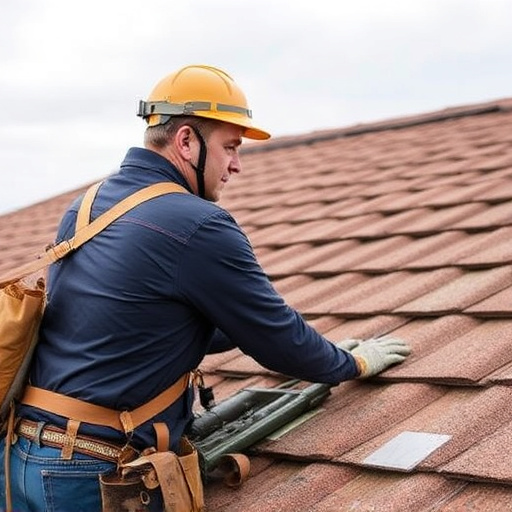
Regular care is essential for extending the life of your desert roof, protecting its value, and ensuring safety. After a haboob, a powerful storm event common in Tucson, your roof may be exposed to extra stress. This calls for a meticulous maintenance routine, focusing on both visual inspections and detailed tasks. One key aspect is examining roof penetrations-places where elements like chimneys or vents enter the roof structure. These areas are vulnerable to damage, especially during storms. An experienced Tucson roof specialist recommends sealing these openings with high-quality caulk to prevent water intrusion.
Regular maintenance also involves addressing issues like spray polyurethane foam (SPF) degradation, which can occur faster in the intense Tucson summer heat. SPF is a popular roofing material known for its insulation and water resistance. However, it requires periodic cleaning and reapplication to maintain its effectiveness. Removing dust and debris buildup on the SPF surface can significantly enhance its performance. Checking and maintaining rooftop AC units is crucial during the monsoon season. These units, common in Tucson homes, need cleaning and lubrication to operate efficiently and safely.
Another vital part of your maintenance calendar is clearing gutters and downspouts of leaves, pine needles, and other debris. This prevents water damage and blocks by pests like pigeons, which can cause significant problems, including odor issues and pest invasion. Regular roof drain clearing ensures proper water flow, preventing stagnant water that could lead to early cracking of shingles or tiles. Lastly, don't overlook checking flashing for gaps-flashing seals the edges of roof components, and its integrity is vital. A thorough inspection after a haboob, or at least twice a year, can help catch any issues early, ensuring a safe and long-lasting roof.
Frequently Asked Questions About a Homeowner Checklist for Safe Roof Care from the Ground and the Ladder
What is the most important aspect of roof maintenance that homeowners should focus on? Homeowners should prioritize regular inspections, ideally biannually, to identify and address potential issues early. This proactive approach prevents small problems from becoming costly repairs. During these checks, look for signs of damage, such as missing or loose shingles, leaks, or mold growth. Also, ensure that gutters and drains are clear of debris to prevent water damage.
How can I safely inspect my roof from the ground? A comprehensive ground-level inspection involves walking around the perimeter of your home, examining the roof's condition. Look for any visible damage, cracks, or uneven areas. Check the flashings around chimneys and vents, and ensure they are sealed properly. Also, inspect the drainage systems and downspouts to make sure water is flowing away from the foundation. If you notice any concerns, consult a professional roofer.
What tools do I need to access my roof safely from a ladder? A sturdy, extended ladder suitable for roof access is essential. Ensure it reaches at least 3 feet beyond the edge of the roof. Safety equipment like a hard hat, gloves, and non-slip shoes are also crucial. Never climb without proper protection. Regularly inspect your ladder for any damage or wear and maintain it according to the manufacturer's guidelines.
When is the best time of year to perform roof maintenance? The ideal time for roof care is during the spring and fall seasons when temperatures are moderate. Extreme heat or cold can cause materials to shrink or expand, potentially leading to issues. These transitional seasons often offer better weather conditions, making inspections and repairs safer and more convenient.
How often should I replace my roof shingles? The lifespan of shingles varies by material and installation, but most last 20-30 years. They should be replaced if they show signs of damage, fading, or significant wear. Regular maintenance, including cleaning and repairing loose shingles, can extend their life. Consulting a professional roofer can help determine the best course of action.
What should I do if I notice a leak in my roof? Immediate action is crucial when encountering a roof leak. Turn off the water supply to the affected area, if possible. Then, inspect the roof from both inside and outside to pinpoint the source. Contact a licensed roofer for a thorough inspection and repair. Preventive measures, such as sealing cracks and ensuring proper ventilation, can also reduce the risk of leaks.
Regular roof maintenance is essential for any Tucson homeowner, especially in the face of our region's unique challenges, from summer heat to monsoon seasons. By following a structured plan, you can ensure your roof's longevity and protect your home's value. This article has provided a comprehensive checklist for safe roof care, covering everything from ground-level inspections to ladder safety and post-haboob repairs.
Key insights include the importance of clearing leaves and pine needles from your roof and gutters to prevent blockages and water damage. Regularly checking for flashing gaps and replacing cracked tiles early can also save you from costly repairs. Maintaining your rooftop AC unit and trimming trees near the roof are crucial tasks to avoid UV damage and ensure proper airflow.
After a haboob, focus on thorough cleaning and repairs. This involves removing dust and debris, inspecting for any damage, and making necessary repairs to maintain your roof's integrity. A well-maintained roof not only extends the life of your roofing but also offers peace of mind and protection against unexpected issues.
Next steps include creating a personalized roof maintenance plan, considering professional services for complex tasks, and keeping a detailed log of all maintenance activities. By adopting these practices, Tucson homeowners can confidently take care of their roofs, ensuring they remain in top condition.
Ground-Level Roof Care Checklist:
- Inspect roof and gutters for damage after storms, especially haboobs, to prevent overlooked issues.
- Use binoculars to spot hard-to-reach problems.
- Maintain solar panels by cleaning and checking connections for corrosion.
- Prioritize ladder safety: choose the right gear, inspect ladders, and ensure secure placement.
Post-Haboob Maintenance:
- Clear roof and gutters of debris, especially dust accumulation after storms.
- Inspect downspouts and pipe boots for damage.
- Clean roof surfaces to prevent UV damage and grime buildup.
- Examine shingles for cracks or missing tiles, addressing immediate issues.
Ongoing Roof Care:
- Seal roof penetrations with caulk to prevent water intrusion.
- Maintain spray polyurethane foam (SPF) with cleaning and reapplication.
- Clear gutters and check rooftop AC units for efficient operation.
- Regularly clear drains and inspect flashing for gaps to ensure water flow.