
In the scorching Arizona sun, your roof endures constant exposure to heat, UV rays, and extreme weather, making seasonal roof maintenance crucial for any Tucson homeowner. The problem lies in the sheer complexity of these tasks, from clearing leaves and pine needles during monsoon season to checking flashing for gaps after a haboob. Without a structured plan, these vital checks can be overlooked, leading to costly repairs. This article provides a comprehensive, plain-language guide to creating an effective roof maintenance plan, detailing what tasks to include, how often to perform them, and the associated costs. By understanding these key components, you can extend the life of your desert roof, protect your home's value, and ensure roof safety for years to come.
- Understanding Roof Maintenance: Essential Components
- Regular Inspections: Identifying Common Issues Early
- Repairs & Replacement: Budgeting for Maintenance
- Preventive Measures: Checking Flashing for Gaps
Understanding Roof Maintenance: Essential Components

A comprehensive roof maintenance plan is essential for any Tucson homeowner, particularly in our desert climate. Understanding what goes into a robust maintenance schedule is crucial not only for preserving the integrity of your roof but also for protecting your investment. This involves regular inspections and proactive measures to prevent common issues like UV damage, pest infestations, and blockages in gutters and drains.
A crucial component of any roof maintenance plan is meticulous checking of flashing for gaps. Flashing, a thin layer of water-resistant material, seals roof penetrations where components like chimneys or vents exit the roof. Over time, flashing can become damaged or become detached, creating entry points for water and leading to leaks. DC Roofing of Arizona recommends inspecting flashing for signs of corrosion, fraying, or gaps during each maintenance visit. Early detection allows for quick repairs, preventing major damage.
Beyond visual inspections, a comprehensive plan addresses specific components like swamp coolers, which are common in Tucson homes. These units require regular cleaning and maintenance to ensure optimal performance. Periodically checking for debris buildup, inspecting belts and bearings for wear and tear, and ensuring proper drainage are all part of the process. Similarly, roof penetrations from HVAC units, satellite dishes, and other fixtures must be sealed and maintained to prevent leaks. UV exposure, a constant challenge in our climate, can weaken shingles and other materials, so regular assessment and resealing of these vulnerable areas is vital.
Regular Inspections: Identifying Common Issues Early

Regular inspections are a cornerstone of any robust roof maintenance plan. In Arizona's desert climate, where intense sunlight and fluctuating temperatures can accelerate wear and tear, proactive care is crucial. A licensed Tucson roofing contractor serving Oro Valley and beyond recommends scheduling detailed examinations at least twice a year, ideally in spring and fall. These inspections aren't just about catching problems; they're about identifying subtle signs of wear early, before they become costly repairs.
During these visits, experts will carefully scrutinize every element of your roof, checking for potential issues like loose or missing shingles, damaged gutters and downspouts, and, perhaps most importantly, gaps in the flashing. Flashing, a critical component often overlooked, seals the joints where roof meets wall, protecting against water intrusion. A roofing contractor with an Arizona ROC license will ensure these seals are intact, applying fresh elastomeric coating where necessary to fill in any gaps. They'll also assess the condition of the roof's underlayment, looking for signs of moisture damage or mold growth, and check the state of any roof penetrations, like vents and chimneys.
Beyond these routine checks, a good maintenance plan should incorporate seasonal specific tasks. In spring, for instance, it's crucial to clear debris like leaves and pine needles from gutters and drains, preventing clogs that can lead to water damage. During monsoon season, the focus shifts to pest prevention and checking for signs of bird nests or infestations, as well as ensuring the proper functioning of rooftop cooling equipment like swamp coolers. Fall brings the opportunity to trim trees near the roof and reseal any exposed roof penetrations, protecting against the harsher winter conditions to come. Remember, a well-maintained roof isn't just an investment in your home's value; it's about safeguarding your property from the elements and ensuring peace of mind.
Repairs & Replacement: Budgeting for Maintenance

A crucial component of any roof maintenance plan is budgeting for repairs and replacement. This involves a thorough assessment of your roof's condition, identifying potential issues, and allocating funds accordingly. A Tucson roofer with an Arizona ROC license will check for flashing gaps during spring roof care, a critical task in our region's unique climate. These gaps can lead to leaks, especially during monsoon seasons, so proactive checking is essential.
Regular inspections should also factor in the replacement of worn-out components, such as shingles, tiles, or roof penetrations. A licensed professional will know when a roof's structural integrity is at risk and recommend repairs or replacements well in advance of failures. Checking for cracked tiles early can prevent water damage and extend the life of your roof in the desert environment. Similarly, pigeon spikes and bird stops should be installed and maintained to keep unwanted feathered visitors from causing further damage.
Another aspect of budgeting involves preparing for unexpected repairs. High winds from haboobs can cause significant damage, necessitating emergency roof repairs. A well-planned maintenance calendar accounts for these events and ensures your roof is protected. Professional maintenance includes regular cleaning, like clearing leaves and pine needles from gutters and downspouts, which prevent clogs and ensure proper drainage. This proactive approach, including the resealing of roof penetrations and touch-up coatings, not only maintains your home's value but also safeguards against costly, avoidable damage.
Preventive Measures: Checking Flashing for Gaps
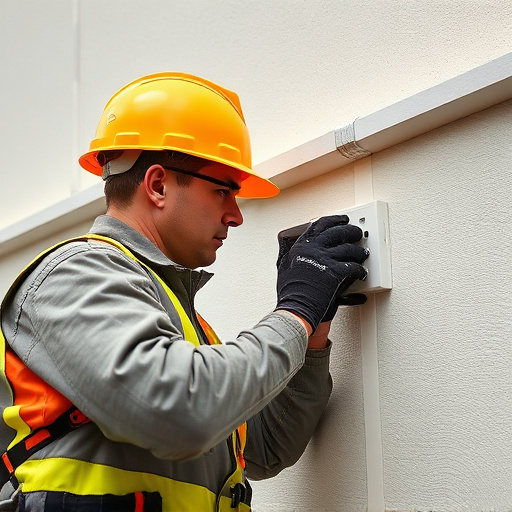
A crucial aspect of a comprehensive roof maintenance plan involves regularly checking the flashing for gaps. Flashing, a thin layer of waterproof material, is a critical component in sealing the roof against water intrusion, especially in a desert climate like Tucson. Over time, flashing can become damaged or shift, leading to leaks. An experienced Tucson roof specialist recommends inspecting the flashing for any signs of wear, corrosion, or gaps during your seasonal maintenance calendar.
Focus on the downspouts and the areas around them, as these are common points where flashing can be vulnerable. Look for any loose or missing flashing pieces and take note of any gaps that might have developed. With clay tile roofs, the edges of the tiles can shift over time, creating spaces where water could penetrate. These gaps, if left unaddressed, can lead to serious damage during monsoon season. Checking and repairing the flashing before the summer heat sets in is a proactive step in maintaining the roof's integrity and extending its lifespan.
To regular visual inspections, consider using a bird stop or eave upkeep to prevent birds from nesting and leaving droppings, which can block downspouts and further weaken the flashing. By integrating these preventive measures into your annual roof maintenance plan, you'll be taking significant steps to safeguard your home's investment and ensure the ongoing protection of your roof against the harsh conditions of the Tucson climate.
Frequently Asked Questions About a Plain Language Look at What a Roof Maintenance Plan Includes and Costs
What is a roof maintenance plan? A roof maintenance plan is a proactive approach to ensuring your roof remains in optimal condition. It involves scheduling regular inspections, cleaning, repairs, and replacements to extend the lifespan of your roof and prevent costly emergencies. Think of it as a long-term care plan for your home's most crucial component.
How often should I have my roof inspected? DC Roofing of Arizona recommends a thorough roof inspection every 2 to 3 years, or more frequently if your roof shows signs of wear or damage. Regular inspections can catch small issues early, making them easier and less expensive to fix.
What does a roof maintenance plan cost? The cost of a roof maintenance plan varies based on the size and condition of your roof, as well as the services included. At DC Roofing of Arizona, we offer customizable plans starting at [insert price range], designed to fit your budget and the needs of your Tucson home.
What services are typically included in a maintenance plan? A comprehensive roof maintenance plan covers a range of services, such as:
- Semi-annual roof inspections
- Gutter cleaning and repair
- Minor repair and sealing of leaks
- Shingle replacement or repair
- Cleaning and sealing of roof vents
- Visual assessments for signs of damage or wear
How do I know if I need a roof repair or replacement? Regular inspections are key to identifying potential issues. Look for signs like missing or damaged shingles, leaks, mold or mildew, or discolored spots. If you notice any of these, contact DC Roofing of Arizona for a detailed assessment. Our experienced Tucson roof specialists can recommend the best course of action.
Does my home insurance cover roof maintenance? While home insurance policies typically cover major roof damage caused by events like storms or hail, routine maintenance and repairs are generally not included. A maintenance plan can help protect you from unexpected, costly repairs by keeping your roof in top shape.
A robust roof maintenance plan is key to safeguarding your Tucson home's most valuable asset - its roof. By understanding the essential components of roof care, such as regular inspections and budgeting for repairs and replacements, homeowners can proactively extend the life of their desert roof. Early identification of common issues through meticulous inspections, like checking flashing for gaps, allows for timely resolution, preventing costly damage. Preventive measures, combined with a well-structured plan, ensure your roof remains in top condition, protecting your home from the harsh Tucson climate, monsoon seasons, and year-round UV damage. This article offers a solid foundation for homeowners to navigate the maintenance calendar, make informed decisions, and keep their roofs in peak performance.
A comprehensive roof maintenance plan in Tucson involves:
- Regular inspections (twice a year) by a licensed contractor to catch subtle wear and tear.
- Checking flashing for gaps during inspections to prevent water intrusion and leaks.
- Seasonal tasks:
- Spring: Clear gutters, inspect roof penetrations.
- Monsoon: Pest prevention, check cooling equipment.
- Fall: Trim trees, reseal penetrations, protect against winter damage.
- Budgeting for repairs and replacements based on condition assessments.
- Proactive measures like bird control to maintain flashing integrity.