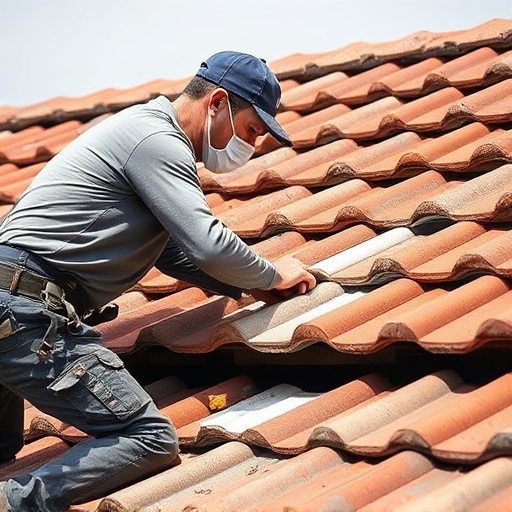
As homeowners, we often overlook the importance of roof safety until it's too late. With Tucson's unique climate, seasonal changes bring different challenges, from monsoon storms to scorching summer heat, that can impact your roof's longevity. Regular, seasonal roof maintenance is key to preventing costly repairs and ensuring your home's value. This comprehensive checklist will guide you through the essential tasks, from clearing leaves and inspecting drains to resealing penetrations and trimming trees, ensuring your roof's protection year-round. Let's explore how to maintain your roof safely, both from the ground and while ascending the ladder.
- Assess Roof Condition: Ground-Level Inspection
- Safe Ladder Placement: Preventing Falls
- Regular Maintenance Tasks: A Homeowner's Guide
- Emergency Repairs: When to Call a Professional
Assess Roof Condition: Ground-Level Inspection
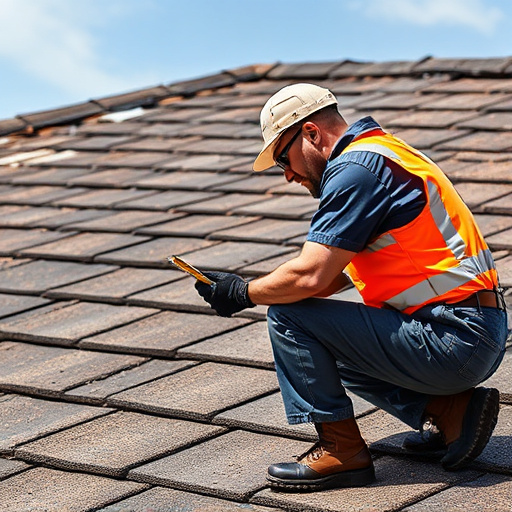
Before climbing onto your roof, it's crucial to perform a thorough ground-level inspection to assess its condition. This step is a vital part of roof safety for homeowners and can help prevent serious issues. In Tucson's climate, where monsoon seasons bring intense heat and occasional severe storms, regular maintenance is essential. You'll want to look for any signs of damage, such as missing or damaged shingles, flashing issues, or pipe boots that have come loose around drains. These details might not be immediately apparent from the ground, but they can significantly impact the overall health of your roof.
Focus on common problem areas, especially around roof penetrations. These are points where your roof meets other structural elements, like chimneys or vents. Over time, these areas can become weak points, allowing water intrusion and damage. Check for signs of wear and tear, and ensure that all penetrations are sealed and protected. In Rita Ranch, where many homes feature flat or tile roofs, it's especially important to inspect these surfaces for cracks or chips, which can be more difficult to spot from the ground but are critical to address promptly.
Examine your roof's drainage system. Leaves, pine needles, and other debris can accumulate, blocking gutters and downspouts. This can lead to water pooling on your roof, causing damage and attracting pests. Regular clearing of these obstructions is part of roof safety for homeowners and will ensure proper water flow away from your property. Remember, a well-maintained roof not only protects your home from the elements but also contributes to maintaining its value and extending its lifespan in the desert climate.
Safe Ladder Placement: Preventing Falls
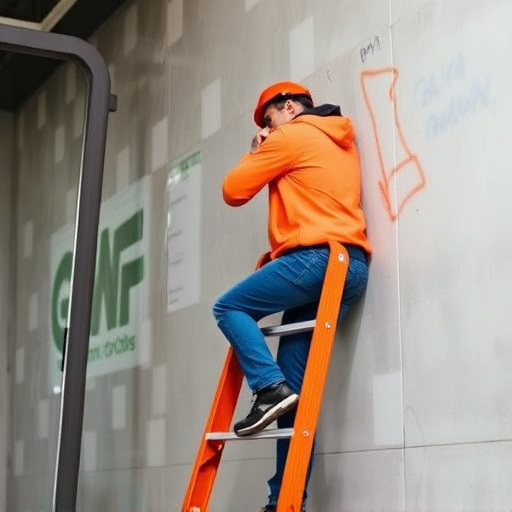
For roof safety for homeowners, proper ladder placement is paramount. In a city like Tucson with its unique climate, including monsoon seasons and scorching summers, maintaining your roof requires extra caution. Here's a detailed checklist to ensure your safety when performing essential tasks like cleaning, repairs, or installations, especially when using ladders.
Consider a scenario where a homeowner decides to clean solar panels or inspect pipe boots. A common mistake is to place a ladder directly against the side of a house. This practice can be hazardous, especially on a sloped roof, as it can cause the ladder to wobble or topple. Instead, a licensed Tucson roofing contractor recommends positioning the ladder at a safe distance from the house, with one foot of the ladder extending beyond the roof's edge. This provides stability and prevents accidental falls. Always use a sturdy, extendable ladder with a capacity to handle the task at hand.
Another critical aspect is ensuring the ladder is placed on level ground or a solid, flat surface. Avoid using it on soft, uneven terrain, which can lead to instability. When working on a flat roof, positioning the ladder at a 75-degree angle is ideal. This angle allows for maximum stability and ease of access. When conducting routine maintenance, like cleaning leaves and pine needles from your flat roof, this proper ladder placement ensures you have a clear, unobstructed view and access to every area.
When tackling projects like repairing or replacing pipe boots, which are particularly vulnerable to damage during a haboob, a steady ladder placement is crucial. In Rita Ranch and surrounding areas, where strong winds are common, securing the ladder at its base with rope or using a ladder stand can prevent it from being blown over. This measure is not only safe but also ensures your work is done effectively, protecting your roof and home from potential UV damage and extending its lifespan in the desert climate. Regularly inspecting and maintaining your ladder, checking for any signs of wear and tear, is also essential for both safety and the longevity of your roof.
Regular Maintenance Tasks: A Homeowner's Guide
Regular maintenance is crucial for keeping your roof in top condition, ensuring its longevity, and safeguarding your home in Tucson's distinct climate. As a homeowner, understanding the key tasks involved in roof safety for homeowners is essential. This section provides a detailed checklist to guide you through the process, ensuring your roof is well-maintained year-round, especially during the distinct seasonal changes in the Catalina Foothills and Midtown Tucson areas.
One of the primary tasks is to clear debris from your roof and gutters, a vital step during monsoon season. Leaves, pine needles, and other debris can cause blockages, leading to overflow and potential damage. Regularly clearing these obstructions, especially after a heavy storm, is crucial for maintaining water flow and preventing water damage to your property. In Rita Ranch, where strong winds and haboobs are not uncommon, keeping your roof clear of debris can significantly reduce the risk of flash flooding and wind-related damage.
Inspect your roof for any signs of wear and tear, particularly after extreme heat or cold. Look for cracked or missing shingles, as well as signs of leakage. A licensed Arizona roofer with an ROC license can provide expert advice on when to replace these elements, ensuring your roof remains protective and secure. Regular sealing of roof penetrations and touch-ups on flat roofs or coating for shingle roofs can prevent UV damage and prolong your roof's life in the desert environment. Remember, a well-maintained roof is an investment in your home's value, safeguarding it for years to come.
Emergency Repairs: When to Call a Professional
For roof safety for homeowners, knowing when to call in the professionals is crucial. While routine maintenance can often be handled by the homeowner, certain repairs and tasks require expert attention, especially after extreme weather events or when dealing with specialized materials. In Rita Ranch, where the climate presents unique challenges, such as intense summer heat and occasional monsoons, understanding these boundaries is essential to maintaining a safe and durable roof.
One area that demands professional intervention is emergency repairs. Severe storms or a haboob can leave behind significant debris, including fallen trees and pine needles, which can clog gutters and drains. This can lead to water damage and structural issues if not addressed promptly. A roofing contractor serving Tucson and Oro Valley recommends inspecting your roof and drains after such events and clearing any obstructions. Similarly, if you notice signs of UV damage, like cracked or peeling shingles, it's best to consult a specialist. UV exposure is a common issue in our desert climate, and early intervention can prevent further deterioration.
For specialized materials, spray polyurethane foam (SPF) roofing, for example, requires expert application and maintenance. SPF offers excellent insulation and water protection, but its long-term success depends on proper installation and upkeep. Regular inspection for signs of damage or disintegration is vital, and any repairs should be handled by a licensed professional. The same goes for flat roofs, which require specific coating touch-ups and regular drain clearing to prevent water pooling and potential leaks. In the case of a rooftop air conditioner (AC) unit, routine maintenance by a qualified technician is essential to ensure efficient cooling and prevent damage from extreme heat.
Remember, roof safety for homeowners involves a combination of proactive care and knowing when to seek professional assistance. Regular maintenance, including clearing leaves, trimming trees near the roof, and checking flashing for gaps, can be done by homeowners. However, emergency repairs, UV damage prevention, and specialized material upkeep should be left to licensed professionals. This ensures not only the longevity of your roof but also your peace of mind, knowing your home's protective barrier is in capable hands.
Frequently Asked Questions About a homeowner checklist for safe roof care from the ground and the ladder
What is the most important safety consideration when inspecting my roof?
When inspecting your roof, prioritize safety above all else. Always wear appropriate safety gear, including a hard hat, non-slip shoes, and eye protection. Never attempt an inspection without proper gear, especially if you're using a ladder. Ensure your ladder is placed on a level, firm surface, and that it's the correct height for the job. Regularly inspect and maintain your ladder to prevent accidents.
How often should I check my roof for damage?
Regular inspections are crucial for maintaining your roof's integrity. Aim to check your roof at least twice a year, especially after extreme weather events like storms, high winds, or heavy snowfall. Look for signs of damage like missing shingles, leaks, or structural issues. Documenting these inspections, including taking photos, can help you track changes over time.
What tools do I need to inspect my roof safely?
A basic toolkit for roof inspections includes a pair of non-slip shoes, a hard hat, safety gloves, and a camera. You may also need a flashlight, a magnifying glass, and a ladder (ensure it's safe and stable). These tools will help you assess the condition of your roof while keeping you safe. Remember, if you notice any significant issues, consult a professional roofer for further evaluation.
How do I safely climb a ladder to inspect my roof?
Climbing a ladder requires caution and proper technique. Always face the ladder while ascending or descending. Keep three points of contact with the ladder (two hands and one foot, or two feet and one hand). Never overload the ladder; maintain a safe weight limit. If the roof is slick or wet, consider using a non-slip pad or a specialized inspection ladder with grippers.
What should I do if I find a leak in my roof?
Discovering a leak requires immediate attention. Turn off the main water supply to prevent further damage. Then, locate the source of the leak. Check for common causes like missing or damaged shingles, clogged gutters, or flashing issues. If the leak is severe or you're unsure about repairs, contact a licensed roofer for professional assistance.
Regularly maintaining your roof is essential for the longevity and safety of your home, especially in the unique climate of Tucson. By following these key insights, you can ensure roof safety for homeowners while protecting your investment.
First, conduct a thorough inspection from the ground level to identify any potential issues. Look for signs of damage, missing or loose shingles, and check for proper drainage to prevent water damage during the monsoon season. Next, when using ladders for roof access, prioritize safety by placing them on stable, level surfaces, and always use proper ladder safety equipment.
Regular maintenance, including clearing leaves and pine needles, cleaning gutters and drains, and resealing penetrations, should be a part of your annual calendar. Spring and fall are ideal times to address minor repairs and touch-ups, extending the life of your roof and maintaining its aesthetic appeal. Remember, a well-maintained roof not only boosts your home's value but also protects against costly emergencies, such as damaged or missing shingles during a haboob.
In the event of severe weather or extensive damage, it's crucial to know when to seek professional assistance. Emergency repairs might be necessary if there are significant structural issues, widespread shingle damage, or signs of water intrusion. The Tucson climate demands proactive care, so keep a regular maintenance log to track tasks and any potential issues, ensuring your roof remains in top condition and safeguarding your home throughout the year.
Roof Safety for Homeowners: A Comprehensive Tucson Guide
- Ground-Level Inspection: Regularly check for damage (missing shingles, flashing issues, loose pipe boots), wear in penetrations, and cracks in tile or flat roofs.
- Ladder Safety: Position ladders at a safe distance from the house, at a 75-degree angle for flat roofs, and secure them for stability, especially during storms.
- Roof Maintenance: Clear debris and gutters after storms, inspect for UV damage, and seal penetrations to protect against water intrusion.
- Professional Help: Know when to call professionals for emergency repairs, UV damage, specialized materials (SPF, flat roofs), and rooftop AC units.