
The roof is a home's first line of defense against the elements, protecting against damage, heat, and moisture. Yet, it's also a system that requires regular care to maintain its integrity and ensure a strong home value. The challenge? Balancing the need for effective roof maintenance with protecting the investment made in a home's most valuable asset. This guide, tailored to the specific needs of Tucson's desert climate, offers a comprehensive seasonal roof maintenance calendar. From the careful removal of leaves and pine needles to the inspection of flashing and drains, we'll explore essential tasks to not only extend the life of your roof but also safeguard your investment and maintain the beauty and value of your home.
- Documenting Roof Maintenance: Laying the Foundation
- Natural Debris Clearance: A Preventive Step
- Warranty Management: Protecting Your Investment
- Regular Inspections: Ensuring Home Value
Documenting Roof Maintenance: Laying the Foundation

Documenting Roof Maintenance: Laying the Foundation
Regular, thorough documentation is key to safeguarding your roof's warranty and maximizing its lifespan, especially in Tucson's unique climate. A well-kept record serves as your roof's history, providing irrefutable proof of maintenance efforts. This is particularly crucial when dealing with complex issues or disputes. If a problem arises during the monsoon season, your maintenance log can demonstrate when and how a particular task was completed, protecting you and your investment.
A comprehensive roof maintenance log includes every significant action taken, from seasonal care to specific repairs. Documenting each job, its date, and the materials used ensures that you, or a qualified professional like a licensed Arizona roofer, can easily track the history of your roof's health. Always record tasks like clearing leaves and pine needles, especially around solar panels and rooftop equipment, to prevent debris buildup. Note any work involving pipe boots or spray polyurethane foam (SPF), as these materials require specific upkeep to maintain their effectiveness.
One of the log's primary benefits is its role in warranty protection. Many roofing warranties require proof of regular maintenance, and a detailed record can demonstrate your diligence. If a cracked tile is replaced early due to your proactive maintenance plan, this documentation can extend the warranty's validity. A well-organized log can aid in DIY versus professional care decisions, offering insights into tasks suitable for homeowners and those best left to experts.
Regularly review and update your maintenance log, especially after extreme weather events like a haboob. This practice ensures that all activities related to your roof's health are accounted for, providing peace of mind and protection for your home's most valuable asset-its roof.
Natural Debris Clearance: A Preventive Step
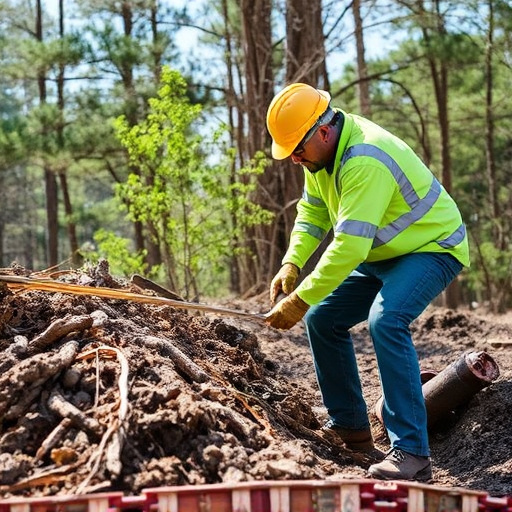
Maintaining a clean roof is crucial not only for the integrity of your home's structure but also for preserving its value and ensuring your roof warranty remains valid. One of the most important yet often overlooked aspects of roof maintenance is the natural debris clearance, particularly during the unique challenges presented by Tucson's climate and seasonal weather events.
In the arid climate of Tucson, the monsoon season brings not only much-needed rain but also an abundance of natural debris. Leaves, pine needles, and even larger branches can accumulate on your roof, creating a variety of problems. These debris can block gutters and downspouts, leading to water damage and potential roof rot. The intense summer heat and UV exposure accelerate the degradation of roofing materials, making the need for regular clearing even more critical. During a haboob (a powerful dust storm), debris can be picked up and deposited onto your roof, requiring prompt removal to prevent long-term damage.
A local Tucson roofing company recommends a strategic, natural debris clearance plan. Instead of haphazard removal, consider a multi-step approach. First, trim any overhanging branches that could deposit debris directly onto your roof. Next, implement a regular cleaning schedule, focusing on clearing leaves and pine needles. Use a leaf blower or broom to gently remove debris, being mindful of the direction of the wind to avoid blowing debris back onto the roof. For tiled or flat roofs, a soft brush can help dislodge accumulated dust and debris without causing damage. Regular, gentle cleaning not only prevents water buildup and potential flashing issues but also allows for early detection of any problems, such as cracked tiles, which can be replaced promptly.
To the aforementioned benefits, maintaining a clear roof is a key component of a comprehensive roof maintenance plan. By preventing debris buildup, you're not only extending the lifespan of your roof but also safeguarding your investment and ensuring the peace of mind that comes with knowing your home's protective barrier is in optimal condition.
Warranty Management: Protecting Your Investment

Warranty Management: Safeguarding Your Roof Investment
As a Tucson homeowner, understanding the importance of roof warranty management is crucial for protecting your significant investment. This is especially true in our region's unique climate, where monsoon seasons, intense summer heat, and desert conditions can impact your roof's longevity. A licensed Arizona roofer with an ROC license in Tucson will tell you that proper maintenance and record-keeping are key to ensuring your roof warranty remains valid and your home's value is preserved.
One of the most critical aspects of warranty protection is regular cleaning and maintenance, especially in areas like Rita Ranch where trees and vegetation can contribute to blockages. Clearing leaves, pine needles, and debris from roof valleys and gutters is essential, as these obstructions can lead to water damage and compromise your roof's integrity. A professional roofer recommends establishing a seasonal maintenance calendar that includes these tasks. During the spring, focus on clearing out fallen debris from the previous winter, while in the fall, pay extra attention to removing leaves and twigs that may have accumulated over the summer.
Warranties often require specific upkeep for unique roofing features. If you have solar panels, for instance, ensure they are regularly inspected and cleaned to maintain optimal performance and energy efficiency. Similarly, with flat or tile roofs, periodic checks for cracks, loose tiles, or damaged flashing are vital. A Tucson roofing contractor can provide guidance on the frequency of these inspections, often recommended every few years. By staying on top of these maintenance tasks and keeping detailed records, you can demonstrate to your roofer that you are a responsible homeowner, which may impact any future claims or repairs.
Regular Inspections: Ensuring Home Value
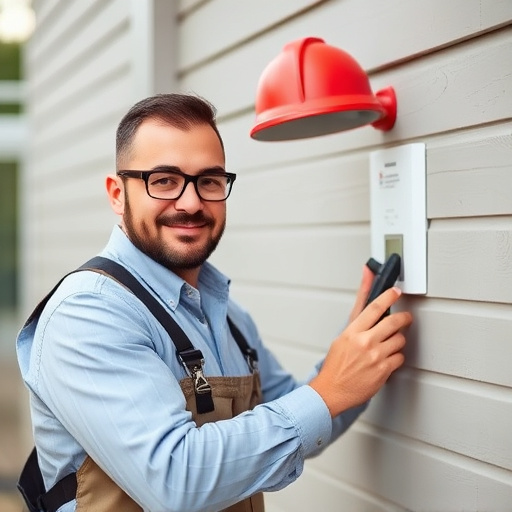
Regular inspections are crucial for maintaining your roof and safeguarding your home's value. In Tucson's desert climate, a well-kept roof not only enhances curb appeal but also ensures your property's longevity. A local Tucson roofing company's expertise lies in guiding homeowners through the process of roof maintenance, particularly during the seasonal changes characteristic of our region.
One critical task, especially during the monsoon season, is clearing leaves and pine needles from your roof and gutters. Buildup of debris can cause water damage, block downspouts, and compromise the structural integrity of your roof. A licensed Arizona ROC contractor recommends incorporating this task into your seasonal roof maintenance calendar. After a particularly windy haboob, take the time to sweep off your roof and ensure proper drainage. This simple step can prevent future issues, such as rotted fascia or mold growth, that could negatively impact your home's value.
To seasonal cleanups, regular checks for sealant wear and tear are essential. Sealants, crucial for protecting against UV damage and leaks, require reapplication over time. During inspections, examine the condition of your roof's sealant, paying close attention to areas around vents, chimneys, and roof penetrations. Prompt repair or replacement of worn sealant can prevent costly repairs and maintain the effectiveness of your roof's protective barrier. A comprehensive roof maintenance plan, tailored to Tucson's unique climate, should include these routine checks and tasks, ensuring not only the longevity of your roof but also the preservation of your significant investment-your home.
Frequently Asked Questions About a guide to keeping records that protect roof warranties and home value
What is the importance of record-keeping for roof warranties?
Maintaining detailed records is crucial for ensuring your roof warranty remains valid. It allows you to prove the nature and timing of installations, repairs, and maintenance, protecting your investment and home value. Accurate documentation can help you avoid disputes with warranty providers and contractors, ensuring you receive the necessary coverage for any roof-related issues that may arise.
How should I organize my roof maintenance records?
Create a structured digital or physical maintenance calendar. Include key details for each entry: date, description of work, materials used, contractor (if applicable), and cost. For warranty purposes, document all work related to your roof, including inspections, repairs, and replacements. Digital tools, like cloud-based spreadsheets or dedicated property management apps, offer easy accessibility and backup options.
What information should be included in each record?
Each record should contain the date, a detailed description of the work performed (including any components replaced), the name or license number of the contractor or technician, and the cost of the service. For warranty claims, it's helpful to include the manufacturer's name and model number of the roofing materials used. Keep receipts and warranties in a secure location for easy reference.
How often should I inspect my roof and record the findings?
Annual roof inspections are recommended to identify potential issues early. Document any concerns, such as loose or missing shingles, signs of water damage, or flashing problems. Regular maintenance ensures minor issues don't escalate, protecting your home and warranty. Keep a log of all inspections, including the date, inspector's name, and any recommended repairs or replacements.
Can I handle record-keeping myself, or do I need a professional?
While you can maintain records yourself, hiring a professional roofer to assist can be beneficial. They can ensure accurate and detailed documentation, especially during complex repairs or replacements. Some contractors offer digital record-keeping services, streamlining the process. Consider their expertise and the scope of your project when deciding who should handle your records.
Maintaining your roof effectively is crucial for protecting both your home's value and the integrity of your roof warranty. By documenting each step of your seasonal roof maintenance calendar, you establish a clear record that can be invaluable when dealing with warranty claims. Regularly clearing natural debris, such as leaves and pine needles, prevents blockages in gutters and downspouts, ensuring proper drainage and avoiding water damage. Managing warranties proactively by staying on top of required inspections and maintenance tasks allows you to catch potential issues early, extending the life of your roof in the challenging Tucson climate. Regular inspections also serve as a powerful tool to maintain your home's value, identifying problems before they escalate and giving you a competitive edge when selling. Embracing these practices ensures your roof remains in excellent condition, safeguarding your investment and providing peace of mind.
Documenting Roof Maintenance: Protecting Your Investment
Regular, detailed documentation is crucial for safeguarding your Tucson roof's warranty and lifespan. Maintain a comprehensive log of maintenance activities, including seasonal care, repairs, and specific tasks like clearing debris and maintaining sealant. This record protects you during disputes, demonstrates warranty compliance, and aids in DIY versus professional care decisions.
Debris Clearance: A Key Maintenance Task
Clear roof debris, especially during monsoon seasons and after haboobs, to prevent water damage, blockages, and accelerated roofing material degradation. Implement a strategic plan: trim overhanging branches, schedule regular cleaning, and use gentle methods to dislodge dust and debris.
Warranty Management: Seasonal Maintenance Calendar
Follow a seasonal maintenance calendar for cleaning, sealing, and inspecting your roof. Clear gutters and downspouts, check for sealant wear, and maintain solar panels and flat/tile roofs to ensure a valid warranty and preserve your home's value.
Inspections: Seasonal Changes and Sealant Care
Regularly inspect your roof for debris buildup, sealant wear, and structural integrity, especially during seasonal changes. Promptly address issues to avoid costly repairs and maintain your roof's protective barrier, safeguarding your significant investment-your home.