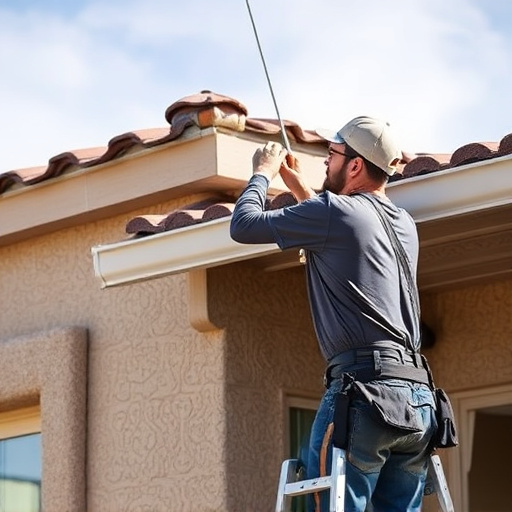
The roof is a home's first line of defense against the elements, but it faces relentless challenges from its environment. In the desert climate of Tucson, the wear and tear on roofs is particularly pronounced. Trees, pests, and rooftop equipment can significantly shorten a roof's lifespan if left unchecked. This article is your practical guide to roof care for vacant homes, focusing on proactive maintenance to extend the life of your roof. We'll explore common issues like the damage trees can cause during monsoon season, pest prevention strategies, and the importance of regular gutter and downspout cleaning. By implementing these practices, you'll ensure your roof remains in top condition, even when left unoccupied.
- Understanding Natural Roof Degradation Factors
- Common Pests and Their Impact on Roofs
- Roof Equipment: Wear and Tear Over Time
- Proactive Roof Care for Unoccupied Properties
Understanding Natural Roof Degradation Factors
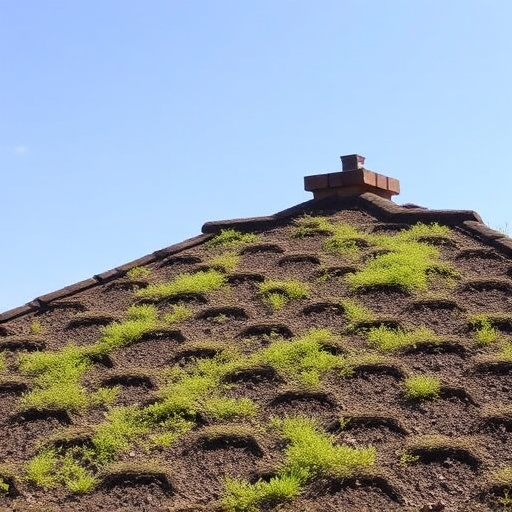
Trees, pests, and rooftop equipment can significantly impact the health and longevity of your roof. In the desert climate of Tucson, these natural factors accelerate degradation, requiring proactive care, especially for vacant homes. Understanding these wear-and-tear causes is crucial for maintaining your investment.
One of the most visible culprits is tree growth near the roof. Overhanging branches can obstruct gutters, leading to clogs and water damage. Pine needles and leaves can accumulate, creating a fire hazard and preventing proper drainage. Regular clearing of these debris, especially during the monsoon season, is essential. Consider trimming trees to maintain a safe distance from the roof, ensuring optimal airflow and reducing the risk of pest infestation.
Pests like termites and ants can cause substantial damage to roofs, especially those with clay tile or flat surfaces. These insects eat away at the structure, creating weak points and compromising the integrity of the roof. Regular inspections for pest activity, particularly after a haboob, are vital. Professional services can provide effective treatments, but homeowners can also take preventive measures, such as sealing roof penetrations and maintaining proper drainage to reduce moisture buildup, which attracts pests.
Rooftop equipment, like air conditioners (swamp coolers) and AC units, is susceptible to damage from UV exposure and dust accumulation. The intense summer heat in Tucson can cause equipment failure and reduce energy efficiency. Regular cleaning of dust and debris from these units, especially in areas with high dust levels, is recommended. Checking for leaks and proper sealing of roof penetrations by a licensed contractor, like DC Roofing of Arizona, can prevent further damage and ensure the unit operates efficiently.
Gutters and downspouts require regular cleaning to maintain proper drainage. Clogged gutters can lead to water pooling on the roof, causing damage and attracting pests. A well-maintained gutter system, including clearing leaves and pine needles, ensures water is channeled away from the foundation and roof, extending the life of both. For flat roofs, regular coating touch-ups and foam upkeep between coats can protect against UV damage, further preserving the structure.
Common Pests and Their Impact on Roofs
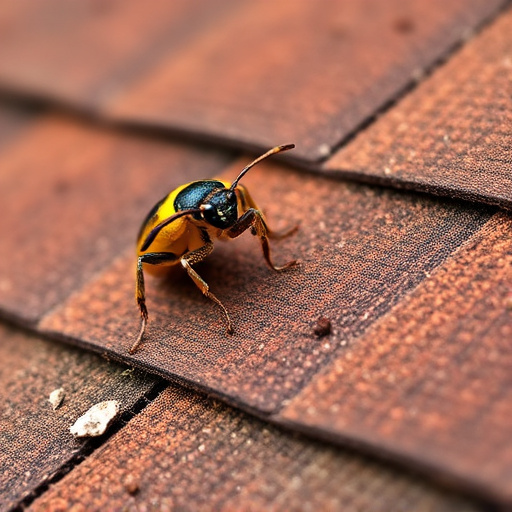
Trees, pests, and rooftop equipment are a trio of factors that can significantly shorten a roof's lifespan in the Tucson climate. While the scorching summer heat and monsoon season are well-documented culprits, these organic and man-made elements play a silent but damaging role in the deterioration of your roof. Let's focus on a common pest problem and its impact, providing practical advice for homeowners, especially those considering roof care for vacant homes.
One of the most pervasive and damaging pests in our region is the pigeon. Their droppings can erode roofing materials, particularly on flat or low-pitched roofs. Pigeons also attract other pests like roaches and ants, further complicating the issue. To mitigate this, a simple but effective solution is the installation of pigeon spikes around the roof's edge. These humane, aesthetic devices deter pigeons without harming them, ensuring a clean and pest-free roofline.
Beyond pests, tree roots can pose a subtle but significant threat. Deep-rooted trees, especially those close to the house, can exert pressure on the roof, leading to cracks in shingles or even damage to pipe boots and flashing. Regular tree trimming is essential, especially during the fall when leaves and pine needles can accumulate and block gutters, leading to clogged drains and water damage. A licensed Tucson roofing contractor recommends scheduling tree maintenance in the off-season to avoid disrupting summer repairs.
Rooftop equipment, such as air conditioning units and solar panels, also require regular attention. Over time, dust and debris can accumulate, reducing efficiency and potentially causing damage. For vacant homes, a simple but thorough cleaning with a soft brush or vacuum can help. For hard-to-reach areas, consider using a long-handled brush or a pressure washer, but be mindful of not over-spraying to avoid damaging nearby surfaces. Remember, a well-maintained roof is a key component in preserving the value of your home, both during your occupancy and for potential future buyers.
Roof Equipment: Wear and Tear Over Time
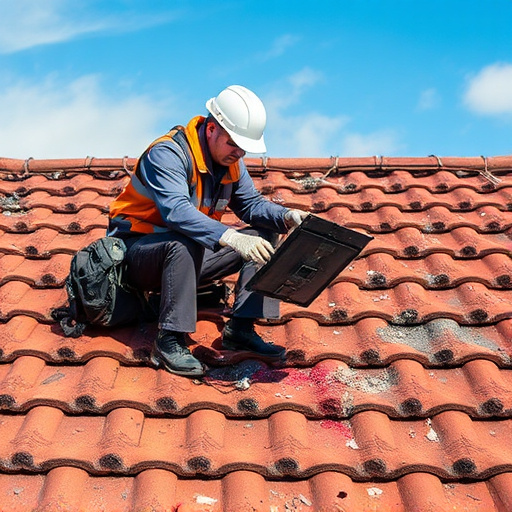
Trees, pests, and rooftop equipment can significantly impact a roof's longevity in the Tucson climate. This section focuses on how roof equipment suffers wear and tear over time, providing insights into maintaining these components to extend your roof's life, especially if your home is vacant.
Rooftop equipment, such as vents, fans, and air conditioning units, are subject to various environmental challenges. The intense summer heat and UV exposure in Tucson can degrade materials, causing early failure. Concrete and clay tile roofs, common in the region, can be vulnerable to UV damage, leading to cracking and deterioration if not properly maintained. Regular cleaning and inspection are crucial. DC Roofing of Arizona recommends checking for debris buildup, especially after monsoon seasons, which can strain equipment. Keep vents clear of leaves and pine needles to ensure proper air circulation and prevent premature wear.
Pests like scorpions and termites can infiltrate rooftops, causing structural damage. Trimming trees near the roof and maintaining bird stops and eaves can help prevent pest access. Regular maintenance plans, which include these checks, are essential for vacant homes. By addressing these issues proactively, homeowners can avoid costly repairs and extend the life of their roofs. This proactive approach to roof care, particularly for vacant properties, is key to maintaining the home's value.
Proactive Roof Care for Unoccupied Properties
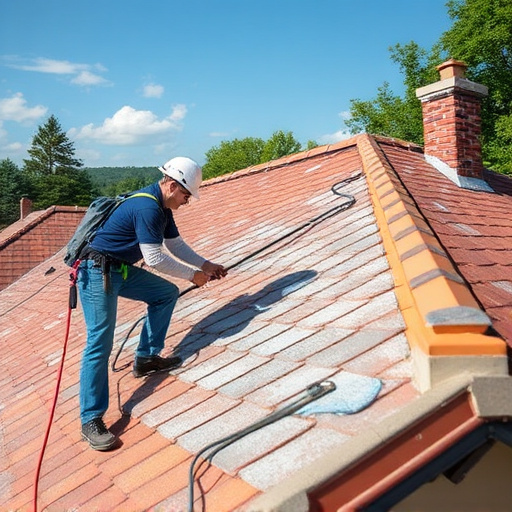
The occasional unoccupied home faces a unique set of challenges for roof care. In the desert heat, where UV exposure is intense, roofs require extra attention to maintain their integrity. Without regular maintenance, even the most sturdy roofs can suffer from the effects of nature's elements. Trees, pests, and rooftop equipment are the primary culprits in accelerating roof wear and tear. Let's explore each of these factors in detail and offer proactive solutions for maintaining your Tucson roof, even when it's not in active use.
Trees, with their roots and branches, can cause significant damage to a roof over time. Roots can penetrate cracks, while branches overhead can obstruct drainage and cause wear from constant movement. To prevent this, regular trimming of trees near the house is essential. A licensed roofing contractor serving Tucson and Oro Valley recommends setting a maintenance calendar that includes seasonal tree trimming to keep branches away from the roof. In the spring, trim back any overhanging branches that could cast a shadow on the roof or block gutters and downspouts.
Pest infestations, common during monsoon seasons, can also wreak havoc on a roof. Termites, in particular, are attracted to wooden components, which are often integral parts of a roof's structure. To combat this, inspect the roof for any signs of pest activity and take preventive measures. A professional contractor can provide advice on treatments and recommend regular inspections as part of your roof maintenance plan. This proactive approach ensures that any pest issues are identified and resolved quickly, preventing long-term damage.
Rooftop equipment, such as air conditioners (ACs) and cooling units, is another area that requires regular attention. In desert climates, rooftop AC units are especially susceptible to wear and tear due to the constant exposure to UV radiation and varying temperature extremes. To extend the life of these units, it's crucial to perform routine maintenance, including cleaning and replacing filters. A roofing contractor can provide guidance on the frequency of these tasks, ensuring your rooftop equipment functions optimally and contributes to the overall health of your roof.
For vacant homes, implementing a roof care plan is essential. This includes scheduling regular inspections, clearing gutters and drains to prevent blockages, and sealing any penetrations, such as vents or plumbing fixtures. A professional contractor can create a customized maintenance plan that considers the specific challenges posed by the desert environment and the unique characteristics of your property. By taking these proactive steps, you can ensure that your roof remains in excellent condition, even when your home is unoccupied.
Frequently Asked Questions About an explainer on how trees, pests and rooftop equipment wear down a roof
What are the primary causes of roof deterioration? Trees, pests, and rooftop equipment can significantly contribute to roof wear. Trees can cause damage through their roots, which can penetrate and disrupt the roof structure. Pests like termites and rodents can also cause structural damage, chewing through wooden components. Rooftop equipment, such as vents, pipes, and satellite dishes, can be vulnerable to weather conditions and impact from falling debris, leading to leaks and structural compromise.
How do trees specifically affect a roof? Trees growing close to a house can extend their roots under the roof, causing cracks and deformities. The weight of tree branches can also put stress on the roof, especially during storms. Tree sap and debris can stain and corrode roofing materials, leading to premature aging and damage.
What kinds of pests commonly cause roof damage? Termites, rodents, and bees are common pests that can damage roofs. Termites can chew through wood, weakening structural supports. Rodents, like squirrels, can nest in roofs, causing insulation to be chewed and removed, leading to leaks. Bee hives can also be a problem, as their weight and the honey they produce can cause structural damage.
How do I know if my roof is being affected by pests? Signs of pest damage include holes in the roof, evidence of chewed wood, unusual noises from the attic, and the presence of nests or accumulations of debris. If you notice any of these, it's crucial to call a professional roofer for an inspection.
What is the most common type of rooftop equipment that needs regular maintenance? Rooftop vents, pipes, and satellite dishes are common equipment that require regular maintenance. Vents need to be cleared of debris to prevent blockages, while pipes should be inspected for leaks and damage, especially in areas prone to frost or extreme temperatures. Satellite dishes should also be checked for loose connections and damage from weather events.
How often should I have my roof inspected? It's recommended to have a professional roof inspection at least once a year, especially in areas with extreme weather conditions. Regular inspections can help catch problems early, saving you money on repairs in the long run.
Who should I contact for roof repairs due to these issues? For any roof damage caused by trees, pests, or rooftop equipment, it's best to contact a licensed Tucson roofing contractor, such as DC Roofing of Arizona, for a thorough assessment and repair. They have the expertise and tools to address these issues effectively and ensure your roof's longevity.
Understanding the various factors that contribute to roof degradation is crucial for maintaining your home's most critical defense against the elements. By addressing natural wear and tear, common pests, and the impact of rooftop equipment, homeowners and property managers can proactively extend the lifespan of their roofs. Implementing a seasonal roof care routine, especially for vacant homes, is an essential step in preventing costly repairs.
Regular clearing of leaves, pine needles, and gutters not only improves water drainage but also stops pest habitats. Scheduling professional maintenance to check for flashing gaps, AC unit upkeep, and sealing roof penetrations can protect against UV damage and water intrusion.
The key takeaway is that a proactive, comprehensive roof care plan, tailored to the unique challenges of a Tucson desert climate, is vital for maintaining your home's value and safeguarding against unexpected repairs. This includes addressing tree and pest control, equipment maintenance, and routine inspections, especially for unoccupied properties.
Trees, pests, and rooftop equipment accelerate roof wear in Tucson's desert climate. Regular clearing of debris, tree trimming, pest inspections, equipment maintenance, and gutter cleaning prevent damage. For vacant homes, a proactive roof care plan, including seasonal maintenance and inspections, ensures longevity and preserves value.