
In the arid climate of Tucson, preparing your roof for the changing seasons is paramount. Monsoon season brings intense storms, while summer heat can accelerate roofing damage. Neglecting these tasks can lead to costly repairs, reduced home value, and even safety hazards. Landlords, in particular, must prioritize roof upkeep, as a well-maintained roof is crucial for tenant satisfaction and property preservation. This article provides a comprehensive seasonal roof maintenance calendar, detailing essential tasks from spring to fall, to ensure your roof stands strong against the elements. We'll guide you through everything from clearing leaves and pine needles to checking for gaps in flashing and preventing pest infestations, ensuring your roof is in top condition year-round.
- Assessing Your Roof's Summer Resilience
- Essential Pre-Monsoon Roof Preparation
- Post-Summer: Roof Maintenance Priorities
- Year-Round Landlord Roof Upkeep Tasks
Assessing Your Roof's Summer Resilience
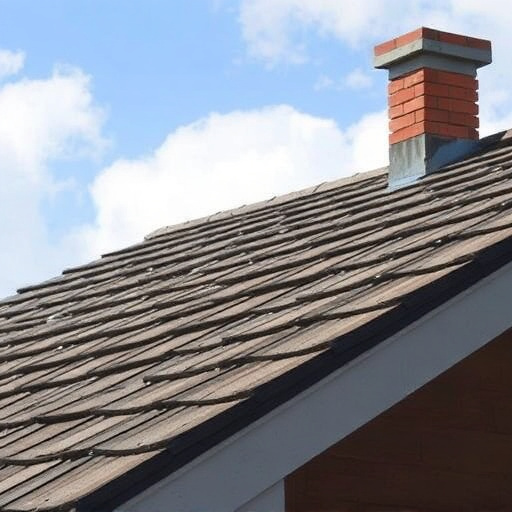
As Tucson's summer heat intensifies, preparing your roof becomes crucial to safeguard your home. The extreme conditions can accelerate wear and tear, making a thorough assessment necessary before monsoon season. This is especially important for landlords, as they're responsible for maintaining rental properties, including the roof. A local Tucson roofing company recommends focusing on several key areas to ensure your roof is resilient during these challenging times.
First, examine your roof's drainage system, particularly the gutters and pipe boots. Clogged gutters are a common issue, leading to water damage and potential structural problems. Regularly clearing leaves, pine needles, and other debris, especially after a storm or intense heatwave, is essential. Check for any leaks or signs of damage around pipe boots, as these areas are vulnerable to deterioration due to heat and humidity.
Another crucial aspect is trimming trees and shrubs near the roof. Overhanging branches can block drainage and cause moisture buildup, leading to mold, mildew, and other issues. A Tucson roofing contractor suggests keeping a safe distance, trimming back branches that come too close to the roofline. Consider implementing pigeon and pest prevention measures, as these creatures can cause damage and contribute to unsanitary conditions.
Lastly, don't overlook the condition of your rooftop equipment, like swamp coolers and rooftop AC units. Regular upkeep is vital to ensure their longevity and efficiency. Cleaning dust off these units and checking for any signs of wear or damage are essential landlord roof upkeep tasks. By addressing these areas, you'll not only extend the life of your roof but also maintain the overall value of your property, ensuring your home remains a safe and comfortable haven, even during the most demanding seasons in Midtown Tucson.
Essential Pre-Monsoon Roof Preparation

In preparation for the intense monsoon season and the cooling relief that follows in the Catalina Foothills, thorough roof inspection and maintenance are essential tasks for any landlord. The summer heat has likely taken a toll on your roof, and addressing these issues before the next rainy period is crucial for protecting your investment and ensuring the longevity of your property. A licensed Arizona roofer recommends focusing on several key areas to get your roof ready for the changing climate.
One of the first steps in landlord roof upkeep tasks is clearing leaves, pine needles, and other debris that have accumulated in roof valleys and gutters. These obstructions can prevent water drainage, leading to leaks and damage during heavy rainfall. Consider hiring a professional or setting aside time to thoroughly clean these areas. Inspecting and clearing roof drains is vital. Obstructed drains can cause water to pool on the roof, potentially leading to mold growth or structural issues.
Another critical aspect is ensuring the proper upkeep of any swamp coolers or rooftop air conditioning units. These systems require regular cleaning and maintenance to operate efficiently. Check for any signs of corrosion or damage, especially after the harsh summer conditions. Regular cleaning and replacement of filters are essential to prevent dust buildup and ensure optimal performance. Examining the flashing for any gaps or damage is a crucial part of pre-monsoon preparation. Flashing protects the roof where it meets the walls, and any gaps can lead to water intrusion and costly repairs. A keen eye for detail will help you identify these issues early on.
Post-Summer: Roof Maintenance Priorities

As summer draws to a close, the desert heat cools, and monsoon season approaches, it's crucial to shift your focus to your roof's health. After the intense heat and potential dry conditions of summer, your roof requires specific attention to prepare for the coming storms and ensure its longevity. Think of it as a post-summer wellness check for your home's protective barrier.
One of the first tasks on your landlord roof upkeep schedule should be a thorough inspection of the roof's perimeter. This includes checking for any signs of damage from summer storms, such as cracked tiles or missing shingles. A licensed Tucson roofing contractor recommends replacing these as soon as possible, as they can expose your roof to further wear and tear. Clay tile roofs, a common choice in the area, need extra care; inspect pipe boots and flashing for any gaps, which can lead to leaks. Also, take this opportunity to trim any trees growing close to the roof. Overhanging branches can block gutters and downspouts, leading to water damage during the monsoon.
Following this initial assessment, focus on maintaining the roof's protective layers. The desert sun can be harsh, causing UV damage to shingles and underlayment. Consider resealing roof penetrations, like vents and pipes, to prevent moisture intrusion. For flat roofs, touch up coating where needed to maintain a watertight seal. Don't forget the gutters and downspouts-clear them of leaves and pine needles accumulated during summer to prevent clogs and water damage. A simple cleaning can extend your roof's life in the harsh desert climate.
Lastly, prepare for the changing seasons by implementing preventive measures against birds and pests. Install or inspect bird stops and eave protection to avoid unwanted feathered visitors. This simple step can go a long way in protecting your roof from unwanted damage. With these post-summer tasks completed, your roof will be well-prepared to withstand the challenges of monsoon season.
Year-Round Landlord Roof Upkeep Tasks

Landlord roof upkeep tasks are crucial, especially in a climate like Tucson's, where seasonal changes dramatically affect your roof's health. As summer heat gives way to monsoon season, a licensed Tucson roofing contractor recommends proactive measures to prepare your roof for the upcoming weather patterns. This involves a year-round commitment to maintenance, ensuring your roof remains in top condition to withstand the elements.
One of the most significant tasks for landlords is trimming trees near the roof. Overgrown trees can cause shadows, leading to uneven UV exposure on your roof's surface. This uneven exposure can accelerate the deterioration of shingles, particularly on the south and west sides of the structure. Regular tree trimming, ideally before the hot summer months, helps prevent this issue. Checking and clearing roof drains, gutters, and downspouts is vital. These systems must be free from debris to ensure proper water flow, preventing damage during intense summer storms.
Post-monsoon season, as the weather cools, it's essential to inspect the roof for any damage incurred during the storm season. This includes checking for loose or missing shingles, damaged flashing, and signs of water intrusion. A professional inspection can help identify these issues early, preventing further complications. For vacant homes, landlords should implement a specific roof care routine, including regular cleaning to remove dust and debris accumulated during the dry season. This keeps the roof in optimal condition, enhancing its longevity, especially in the harsh desert environment.
Frequently Asked Questions About advice on getting a roof ready before monsoon season and after summer heat
What signs should I look for to know if my roof needs repair before monsoon season?
Look for damaged or missing shingles, flashing that is loose or corroded, and any signs of water damage or leaks. The heat and monsoons can exacerbate existing problems, so regular inspections are crucial. A licensed Arizona roofer, like DC Roofing of Arizona, can perform a thorough assessment, ensuring your roof is in top condition.
How does summer heat affect my roof, and what can I do to mitigate the damage?
Extreme summer heat can cause shingles to deteriorate faster and contribute to the growth of algae and mold. Keep your roof clean by washing it regularly to remove debris and pollutants. Use reflective materials or coatings to reduce heat absorption. Also, ensure proper ventilation to prevent the build-up of hot air inside the attic, which can damage insulation and increase cooling costs.
What steps should I take after a long summer to prepare my roof for monsoon season?
After a hot summer, inspect your roof for any damage and make necessary repairs. Remove any debris accumulated on the roof and gutters, as these can obstruct drainage and cause water damage. Consider a professional cleaning service to ensure your roof is free from algae or mold. Lastly, check the condition of your flashing and sealants, as these may have deteriorated due to the heat.
How do I ensure proper drainage around my rooftop HVAC unit?
Proper drainage is essential to prevent water damage during monsoon season. Ensure that the area around your rooftop HVAC unit is sloped away from the building, with downspouts or drainages leading water away from the foundation. Regularly clean the gutters to prevent clogs, and consider installing leaf guards to keep debris out.
Can parapet walls help protect my roof from monsoon storms?
Yes, parapet walls provide an additional layer of protection by shielding the roof's edges from direct impact of wind and debris during heavy storms. Ensure that your parapet walls are in good repair, with no cracks or gaps that could allow water penetration. Regular maintenance and inspection are vital, especially in regions prone to intense monsoon seasons.
What should I do if I notice a leak after the summer heat?
If you discover a leak, locate the source and take immediate action. Turn off the water supply to the affected area if it's a plumbing issue. Contact a roofing contractor to inspect and repair the leak promptly. Quick action can prevent further damage and ensure your home remains dry and safe during monsoon season.
As Tucson's monsoon season approaches, understanding the unique challenges posed by the area's climate is crucial for maintaining a durable roof. Throughout the summer, extreme heat and dry conditions test roofs, while the monsoon brings heavy rain, strong winds, and potential dust storms. This necessitates a strategic approach to landlord roof upkeep tasks, especially for those who own rental properties.
By prioritizing essential pre-monsoon preparation, such as clearing leaves and pine needles from gutters and drains, you prevent clogs and water damage. Regular inspections should include checking for loose or damaged shingles, flashing gaps, and pest activity, as these issues can be exacerbated by the monsoon. Maintaining and sealing roof penetrations, like those from pipes and vents, is vital to prevent leaks.
Post-summer, the focus shifts to repairing any damage from the intense heat and potential summer storms. This may involve resealing roof coatings, replacing cracked tiles, and ensuring the integrity of the roof's underlayment. Timely upkeep, including trimming trees near the roof and preventing pigeon nesting, not only enhances the roof's lifespan but also contributes to overall home value.
Landlord roof upkeep tasks are an investment in the long-term health of your property. By adopting a proactive seasonal roof maintenance calendar, you protect your investment from the unique challenges posed by Tucson's climate, ensuring a safe and comfortable living environment for your tenants.
In preparation for monsoon season in Tucson, landlords should focus on several key areas for effective landlord roof upkeep tasks:
1. Drainage System: Clear gutters and pipe boots of debris to prevent water damage. Check for leaks and vulnerability due to heat and humidity.
2. Trimming Trees: Keep branches away from the roofline to maintain proper drainage and prevent moisture buildup, reducing the risk of mold and mildew.
3. Pest Prevention: Implement measures to deter pigeons and other pests from causing damage and unsanitary conditions.
4. Rooftop Equipment: Regularly clean and maintain swamp coolers and rooftop AC units to ensure efficiency and longevity. Check for signs of wear or damage, especially after harsh summer conditions.
5. Regular Inspection: After monsoon season, inspect the roof for damage, checking for loose or missing shingles, damaged flashing, and water intrusion. For vacant homes, implement a specific cleaning routine to remove dust and debris.