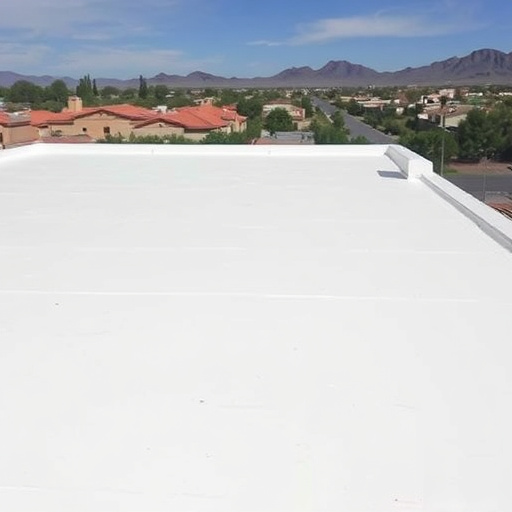
In the arid climate of Tucson, maintaining your roof is crucial for preserving your home's value and ensuring long-term protection against the elements. Rooftops face a unique set of challenges, with trees casting shadows, pests seeking shelter, and rooftop equipment subject to wear and tear. These factors can accelerate the aging process of your roof, especially on a desert roof exposed to intense summer heat and monsoon storms.
The solution lies in a strategic, seasonal roof maintenance calendar tailored to address these specific issues. By focusing on tile roof maintenance, clearing debris, inspecting for pests and wear, and regular upkeep of equipment, you can extend the life of your roof and protect your investment. This article provides a practical guide to tackling these tasks effectively, ensuring your roof remains in top condition.
- Understanding the Impact of Trees on Tile Roofs
- Pests and Their Role in Roof Degradation
- Rooftop Equipment: Common Wear Points and Maintenance
- Natural Strategies for Effective Tile Roof Maintenance
Understanding the Impact of Trees on Tile Roofs
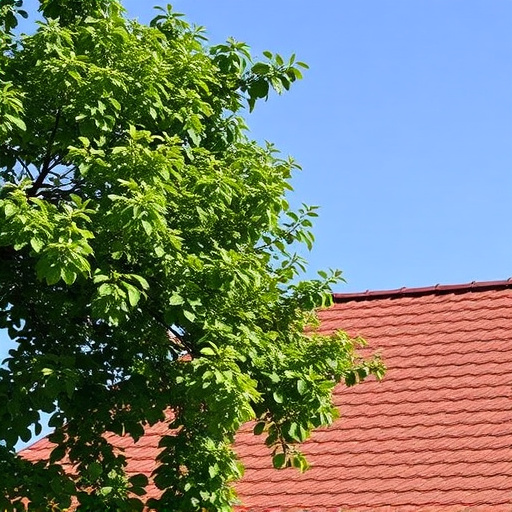
Trees, an integral part of the Tucson landscape, can significantly impact the health and longevity of your tile roof. While their beauty and shade benefits are undeniable, these structures and their natural debris can pose challenges for homeowners, especially for tile roof maintenance. This is particularly true during the unpredictable monsoon season, when sudden storms can cause leaves and pine needles to pile up on your roof, creating a breeding ground for pests and hindering water drainage.
Regular tree trimming is essential to mitigate these issues. A licensed Tucson roofing contractor recommends addressing this task with a proactive approach. During a haboob, strong winds can uproot branches or dislodge significant amounts of debris. Post-storm inspections should include a thorough review of nearby trees, trimming away any branches that could potentially encroach on your roof. This simple maintenance step can prevent future damage and keep your roof in top condition. It helps to maintain proper airflow, reducing the risk of UV damage, a common concern in the desert climate.
For tile roof maintenance, a key consideration is the buildup of debris from trees. Pine needles and leaves can accumulate, blocking gutters and downspouts. This not only hampers water flow but also creates an inviting environment for pigeons and other pests. Regular cleaning, including gutter and roof drain clearing, is crucial to prevent water damage and pest infestations. A swamp cooler, a common rooftop equipment in Tucson, requires clear drainage paths to function efficiently. Neglecting to clear debris can lead to overworked cooling systems and increased energy costs.
The natural growth of trees near the roof can cause structural issues over time. Rooftop equipment, such as AC units, can be subjected to increased strain due to branches encroaching on the area. Regular maintenance inspections should include checking for these issues and making adjustments to ensure the longevity of your roof. Early intervention, such as trimming branches back or replacing cracked tiles, can save you from costly repairs in the future. Remember, a well-maintained tile roof not only enhances your home's value but also provides protection against the elements.
Pests and Their Role in Roof Degradation
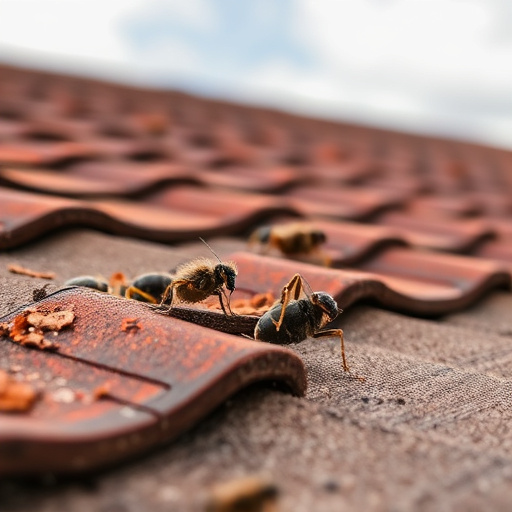
Pests, particularly those prevalent in the Tucson climate, can significantly contribute to roof degradation, especially on tile roofs. The intense summer heat and monsoon season create a fertile environment for various insects and rodents, many of which find roofs an inviting habitat. These pests can cause substantial damage by chewing through the protective layers of a roof, creating entry points for water, and speeding up the aging process of the roofing material.
Concrete tile roofs, while known for their durability, are not immune to pest-related issues. Termites, for instance, are attracted to the cellulose content in concrete tiles and can tunnel through the roof structure, causing widespread damage. Rodents like squirrels and birds can also nest in the eaves and gutters, blocking drainage systems and leading to water damage. These problems are exacerbated by the accumulation of leaves and pine needles, which provide hiding spots and food sources for pests. Regular gutter and roof drain clearing is crucial for maintaining proper water flow and preventing pest breeding grounds.
A local Tucson roofing company emphasizes the importance of proactive pest control as part of a comprehensive tile roof maintenance plan. Sealing entry points, ensuring proper ventilation, and addressing any signs of pest activity promptly are essential steps. Applying a quality sealant around roof penetrations, such as chimneys and vents, can create a barrier against insects and small animals. Keeping gutters clean and maintaining bird stops and eaves can significantly reduce pest access to the roof. By integrating these practices into a seasonal roof maintenance calendar, homeowners can protect their investment and extend the lifespan of their roofs.
Rooftop Equipment: Common Wear Points and Maintenance

Rooftop equipment plays a crucial role in the overall health and longevity of your tile roof. These components, often overlooked, bear the brunt of exposure to the Tucson climate, including intense summer heat, monsoon rains, and the relentless UV rays. Let's examine the common wear points and maintenance practices to ensure your clay tile roof remains in top condition.
One of the primary wear points is the rooftop AC unit or swamp cooler. These systems, vital for cooling your home during the scorching desert summers, can suffer from corrosion and buildup over time. Regular cleaning and inspection are crucial. Check for loose or damaged components, and consider cleaning the coils to ensure optimal performance. A roofing contractor serving Tucson and Oro Valley recommends inspecting these units at least twice annually, especially after periods of heavy use.
Another critical component is the gutter and downspout system. These channels direct rainwater away from your roof, preventing water damage and ensuring proper drainage. However, they can become clogged with leaves, pine needles, and other debris, especially during monsoon season. This blockage not only impairs drainage but can also lead to premature wear on your roof, as standing water can cause damage to clay tiles. Regular clearing of leaves and pine needles is essential, and a well-maintained gutter system can extend the life of your tile roof. Aim for a thorough cleaning at least twice a year, or more frequently in areas prone to heavy tree coverage.
roof penetrations such as vents, pipes, and chimneys require resealing and maintenance. These areas are vulnerable to leaks, which can lead to costly repairs and even contribute to the early replacement of cracked tiles. Using a suitable sealant and regularly checking for signs of damage or wear is crucial. A professional roofer might recommend re-sealing these penetrations every few years to prevent water intrusion and ensure the integrity of your tile roof. In the face of frequent weather changes, from haboobs to monsoons, maintaining these areas is paramount to the overall health of your roof.
Natural Strategies for Effective Tile Roof Maintenance
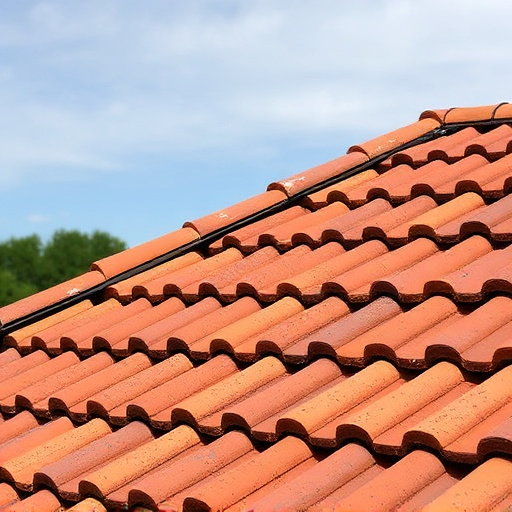
The health of your tile roof not only impacts the aesthetics of your Midtown Tucson home but also its structural integrity and longevity. Natural strategies for tile roof maintenance, tailored to Tucson's unique climate, are crucial for warding off damage from trees, pests, and rooftop equipment. In this environment, concrete tile roofs, known for their durability, require specific care to extend their life and maintain their performance.
One of the most effective natural maintenance practices is regular cleaning of both the roof and downspouts. This involves removing leaves, pine needles, and other debris that can clog drainage systems. In Tucson, where monsoon seasons bring intense rainfall, proper drainage is essential to prevent water damage. Concrete tile roofs often accumulate dust due to their smooth surface, which can reduce their reflectivity and contribute to UV damage. A simple cleaning with a soft brush or a garden hose can mitigate this effect.
Pest control is another vital aspect of tile roof maintenance. Termites, ants, and other insects can infiltrate tiny cracks and crevices, causing significant damage over time. Natural pest repellents and regular inspections can be effective solutions. Trimming trees and shrubs near the roof can prevent branches from blocking ventilation and creating moist environments that encourage pest activity. DC Roofing of Arizona, a licensed Tucson roofing contractor, emphasizes the importance of a well-maintained roof not only for aesthetic reasons but also to protect the investment and ensure the home's value.
Rooftop equipment, such as air conditioners (including swamp coolers) and vents, requires regular attention. Over time, these components can become clogged with dust and debris, reducing their efficiency and potentially causing damage to the roof. Maintaining clear ventilation pathways and cleaning these components at least once a year can extend the life of your roof equipment. A well-maintained rooftop AC unit can help regulate indoor temperatures, reducing the strain on your air conditioning system and, consequently, extending the life of your roof.
Frequently Asked Questions About an Explainer on How Trees, Pests, and Rooftop Equipment Wear Down a Roof
What is the primary impact of trees on a roof's longevity?
Trees, while beautiful, can be detrimental to roof health. Their roots can disrupt the soil around your home's foundation, causing cracks that allow moisture intrusion. Fallen tree branches can also damage shingles or gutters, leading to leaks. Regular tree maintenance and trimming are crucial to protect your roof, especially in areas with mature trees.
How do pests contribute to roof wear and tear?
Termites, rodents, and insects can cause significant damage to roofs by eating away at wooden components, including trusses and soffits. Pests also introduce moisture, which can lead to mold growth and weakened structural elements. Regular pest inspections and treatments are essential for maintaining a healthy roof.
Can rooftop equipment be a significant source of roof damage?
Absolutely. Air conditioners, satellite dishes, and solar panels, while essential, can accelerate roof wear. Their weight can put stress on the roofing material, and misinstallation or poor maintenance can lead to leaks. Regular inspections and secure mounting are crucial, especially in areas prone to extreme weather.
How often should I inspect my roof for these issues?
A thorough roof inspection should be performed at least twice annually by a licensed professional. This timing is ideal for catching minor issues before they become major, costly repairs. During these inspections, experts can assess tree roots, pest activity, and the condition of rooftop equipment.
What steps can I take to mitigate these wear-and-tear causes?
Planting trees at a safe distance from your home, scheduling regular pest control treatments, and maintaining rooftop equipment are proactive measures. Ensure proper ventilation for A/C units and solar panels to reduce wear. Keeping gutters clean prevents water damage and supports overall roof health.
Are there any signs I should watch out for that indicate roof damage?
Keep an eye out for missing or damaged shingles, dark spots indicating leaks, and excessive moisture in the attic or crawl space. These signs may suggest pest intrusion, equipment issues, or other problems. Promptly addressing these issues is key to preserving your roof's integrity.
Who should I contact for professional roof maintenance and repairs?
A licensed Tucson roofing contractor, like DC Roofing of Arizona, is equipped to handle all aspects of roof care. They can provide expert inspections, repairs, and maintenance, ensuring your roof remains in top condition.
As we've explored the multifaceted impact of trees, pests, and rooftop equipment on tile roof maintenance in the maintenance calendar of Tucson's desert climate, several key insights emerge. First, understanding how trees, with their roots and branches, can cause significant wear and tear, especially on tile roofs, is crucial. Regular trimming, at least twice a year, is essential to prevent damage from overhanging branches. Second, pests, from termites to rodents, play a detrimental role in roof degradation, requiring proactive measures like sealing entry points and routine inspections.
Rooftop equipment, such as swamp coolers and AC units, necessitate specific upkeep, including regular cleaning and seasonal maintenance, to prevent buildup and ensure optimal performance. Lastly, natural strategies for tile roof maintenance, like clearing leaves and pine needles, resealing penetrations, and coating to protect against UV damage, can significantly extend roof life in the desert.
By integrating these practices into your seasonal roof maintenance calendar, you can ensure your tile roof remains in top condition, preserving its aesthetic appeal and structural integrity while potentially enhancing your home's value. This informed approach to DIY or professional roof care is the cornerstone of effective tile roof maintenance naturally in our region.
A proactive, multi-faceted approach to tile roof maintenance is crucial in Tucson's climate. Regularly trim trees near the roof to prevent debris buildup and maintain proper drainage. Keep gutters and drains clear of leaves and pine needles to avoid water damage and pest infestations. Seal roof penetrations, maintain ventilation, and address pest activity promptly to protect against damage. Regularly inspect and clean rooftop equipment like AC units and vents to ensure optimal performance and prolong their lifespan alongside your tile roof.