The Tucson climate, with its intense summer heat and the unique challenges of monsoon season, demands a strategic approach to roof maintenance. One often overlooked aspect is the cumulative effect of trees, pests, and rooftop equipment on your roof's longevity. These factors can contribute to significant wear and tear, compromising the integrity of your desert roof over time. This article provides a practical guide to understanding these issues and offers practical solutions, including essential swamp cooler roof maintenance tasks, to ensure your roof remains in top condition. We'll explore specific steps to protect your investment and preserve your home's value.
- Understanding Natural Roof Degradation
- Trees, Pests, and Roof Damage
- Regular Maintenance: Key to Longevity
- Swamp Cooler Roof Care: A Natural Approach
Understanding Natural Roof Degradation
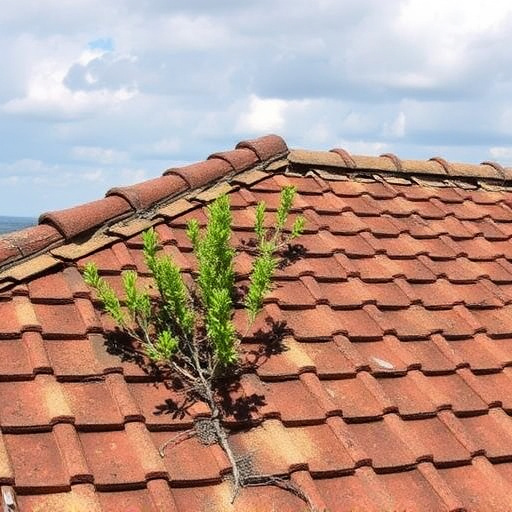
The natural wear and tear of a roof due to local environmental conditions, vegetation, and equipment is a crucial aspect of roof longevity that often goes overlooked. In the Tucson climate, with its distinct monsoons and summer heat, these factors play a significant role in the degradation of roofing materials. An experienced Tucson roof specialist emphasizes that understanding this natural degradation process is essential for proactive maintenance and extending the life of your roof.
Trees, for instance, can both enhance and damage a roof's appearance and integrity. While their shade is beneficial during the hot summer months, the roots can intrude on the roof structure over time, causing cracks and leaks. Regular trimming of trees near the roof is recommended, especially for larger branches that could fall during a storm. Leaves and pine needles from nearby trees accumulate on the roof, blocking gutters and downspouts, which can lead to water damage and even mold growth. Keeping these areas clear is a critical part of swamp cooler roof maintenance, as proper drainage is vital to prevent long-term issues.
Pests, too, can leave their mark on your roof. Termites, for example, can infiltrate through small cracks and damage the structural integrity of the roof, not to mention the cost of repairs. Regular inspections and maintenance plans, often covered by home warranties, can help mitigate these risks. Another common issue is bird nests and stop-up material in eaves, which can obstruct roof drains and lead to water infiltration. Professional services can address these problems, ensuring your roof remains protected.
Rooftop equipment, such as air conditioners, also faces its fair share of wear and tear. The constant exposure to the elements, dust, and UV radiation can take a toll on these units. Regular cleaning, especially after a haboob, and checking for signs of wear around penetrations, like vents and pipes, are crucial. A professional roof maintenance plan can include these tasks, ensuring that every aspect of your roof is addressed, from gutters and drains to roof penetrations and equipment upkeep.
Trees, Pests, and Roof Damage
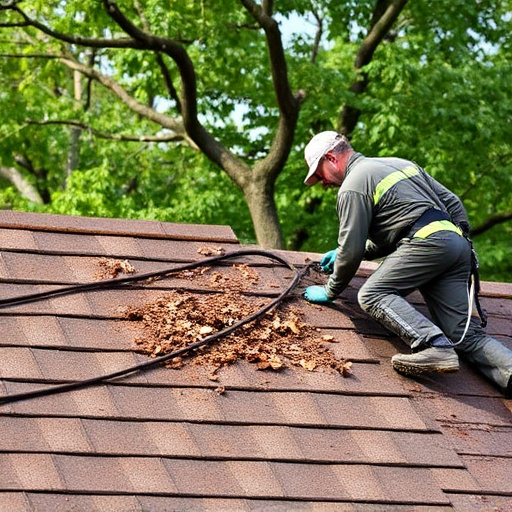
Trees, pests, and rooftop equipment can significantly impact the longevity and health of your desert roof, especially in Tucson's unique climate. These external factors contribute to wear and tear, often requiring proactive maintenance and repair. Let's examine how each of these elements plays a role in roof deterioration and what you can do to mitigate their effects.
In the Tucson area, where monsoon seasons bring both rain and intense summer heat, trees can pose a particular challenge. Large, mature trees nearby can drop leaves, pine needles, and other debris onto your roof, leading to clogged gutters and downspouts. This debris buildup not only blocks water flow but also creates a breeding ground for pests like roaches and termites. Regularly clearing this organic material is crucial for maintaining your roof's integrity, especially during the fall months when debris accumulation is more likely. A roofing contractor serving Tucson and Oro Valley recommends establishing a seasonal roof maintenance calendar that includes routine clearing of leaves and pine needles to prevent water damage and pest infestations.
Pests, particularly those attracted to moist environments, can cause substantial roof damage if left unchecked. Termites, for instance, can chew through the wood in your roof trusses, while roaches and other insects may leave behind exoskeletons and waste, leading to mold and mildew growth. In the desert, pests like scorpions and spiders may also find their way onto your roof, seeking water and shelter. Regular inspections and maintaining proper ventilation can help deter these unwelcome guests. Sealing all openings and cracks, especially around chimneys and vents, with a high-quality sealant or elastomeric coating can provide an extra layer of protection against pest intrusion.
Rooftop equipment, such as swamp coolers, AC units, and satellite dishes, is another common source of roof damage. These fixtures can be heavy and, if not properly secured, may shift over time, causing stress on your roof's structure. The constant exposure to UV rays and extreme temperatures can lead to deterioration of the roof material. Regular maintenance of these units, including cleaning and checking for loose connections, is essential. Consider scheduling swamp cooler roof maintenance as part of your annual calendar to ensure these fixtures operate efficiently and don't cause unnecessary wear and tear on your roof.
Regular Maintenance: Key to Longevity

Regular maintenance is key to prolonging your roof's lifespan, especially in the unique Tucson climate. The monsoon season brings both necessary moisture and the potential for severe weather, while the desert heat can accelerate wear and tear. Among the many factors affecting your roof's health are trees, pests, and rooftop equipment.
Trees, for instance, can both aid and harm your roof. Their roots can disrupt shingles and damage the structure, while their leaves and pine needles can clog gutters and drains. Regularly clearing these debris is crucial, especially after storms or during the fall. A local Tucson roofing company recommends a semiannual cleaning schedule to prevent water damage and ensure proper drainage, a critical step in extending your roof's life. Trees near the roof may require annual trimming to prevent branches from tearing shingles or blocking roof penetrations, like those used by swamp coolers or rooftop air conditioning units.
Pests also pose a significant threat. Termites and other insects can infiltrate and damage the wood framing, sheathing, and trusses that support your roof. Regular inspections and preventative measures are essential. Maintaining a bird stop and checking flashing for gaps can deter pests. During monsoon season, be vigilant for signs of pest activity, as wet conditions favor their breeding.
Rooftop equipment, from swamp coolers to AC units, requires regular upkeep. These systems can be prone to damage from lightning strikes, especially during summer storms. Regular maintenance includes checking for loose connections, cleaning condensers, and ensuring proper insulation around penetrations to prevent leaks. A well-maintained roof not only preserves its structural integrity but also maintains the value of your home.
Swamp Cooler Roof Care: A Natural Approach
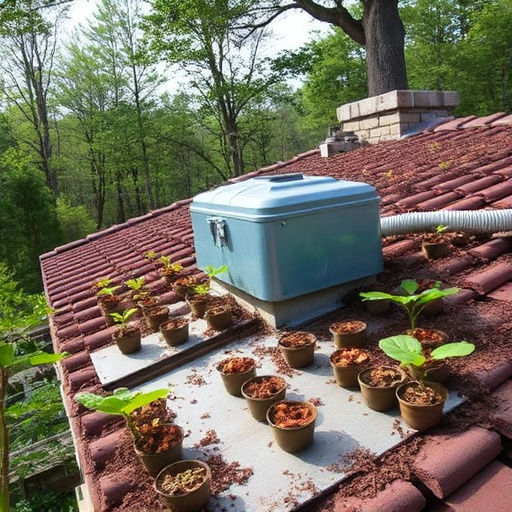
In the heart of Midtown Tucson, where the monsoon season brings both life and challenges, homeowners face a unique set of roof maintenance tasks. One often-overlooked aspect of roof care is managing the impact of swamp coolers and their natural allies and enemies-pests and trees. A licensed Tucson roofing contractor understands that these factors play a significant role in determining the longevity of a roof, especially in the desert climate.
Swamp coolers, a staple in Tucson homes, require specific care to maintain their efficiency and extend the life of the roof they're attached to. Regular cleaning and maintenance are crucial, especially during the summer heat. The process starts with clearing debris, including leaves, pine needles, and bird droppings, from the swamp cooler unit and its surrounding area. This simple yet effective step ensures optimal airflow and prevents blockages. A thorough cleaning after a haboob (a strong sandstorm common in the region) can make a significant difference in the unit's performance.
Pest control is another critical aspect of swamp cooler roof maintenance. Pigeons and other birds are drawn to these units, seeing them as potential nesting sites. The use of pigeon spikes or other humane deterrents is recommended to keep these unwanted visitors at bay. Regular checks for pests like ants and termites are essential, as they can infiltrate the roof and cause significant damage. Mid-season inspections are ideal, as they allow for early detection and treatment, preventing costly repairs.
Tree management is a key component of natural swamp cooler roof care. Trees provide shade, but their roots and branches can cause problems. Trimming trees near the roof not only enhances aesthetic appeal but also ensures that roots don't interfere with the swamp cooler's drainage system. This practice, along with checking for loose or damaged shingles, can help prevent water leaks and the subsequent damage caused by UV radiation. By addressing these issues proactively, homeowners can extend the life of their roofs and maintain the value of their Midtown Tucson properties.
Frequently Asked Questions About an explainer on how trees, pests and rooftop equipment wear down a roof
What causes the most damage to roofs? Trees and their roots can cause significant damage to roofs. As trees grow, their roots can extend and press against the roof structure, causing cracks and deformations. Pests like termites and rodents can also cause substantial damage by chewing through the roof's materials, from shingles to insulation. Equipment like air conditioners and vents can wear down roofs over time due to constant wind and weather exposure.
How often should roofs be inspected for these issues? Roof inspections should be conducted at least twice a year, especially in areas prone to extreme weather conditions. Regular inspections can help identify issues early on, preventing small problems from turning into costly repairs. For properties with trees nearby, inspections might need to be more frequent to monitor root intrusion.
Can pests like termites cause structural damage? Absolutely. Termites are known for their ability to chew through wood, which includes roof trusses and joists. Over time, a significant termite infestation can weaken the structural integrity of a roof, leading to leaks and collapse in extreme cases. Regular pest control measures are crucial for maintaining a healthy roof.
How do rooftop equipment contribute to roof wear? Rooftop equipment, such as air conditioners and vents, can accelerate the aging process of a roof. Constant exposure to wind, rain, and sun can cause these components to wear down the shingles and underlayment. Equipment that is not properly sealed or vented can create pressure differentials that negatively affect the roof's structure.
What are some signs of roof damage from trees? Signs of roof damage from trees include cracks in the roof's surface, sagging or uneven shingles, and visible root systems penetrating the roof. If you notice any of these, it's crucial to call a professional for an inspection. Ignoring these signs can lead to further complications and more expensive repairs.
How can I protect my roof from pests? Implementing a comprehensive pest control program is essential for protecting your roof. This includes regular inspections, sealing entry points, and using pest-repellent treatments around the perimeter of your home. Working with a licensed pest control service can provide the best results and prevent infestations from becoming severe.
What is the best way to maintain rooftop equipment? Regular maintenance of rooftop equipment includes cleaning, inspection, and replacement of parts as needed. Ensure equipment is properly vented and sealed to prevent pressure buildup. Also, consider hiring a professional to perform routine maintenance, which can help extend the life of your equipment and reduce the risk of damage to your roof.
Trees, pests, and rooftop equipment can significantly impact a roof's longevity, especially in the harsh desert climate of Tucson. Regular maintenance, including seasonal roof care like spring cleaning and monsoon prep, is crucial to protect your investment. Clearing leaves and pine needles during spring and fall prevents water damage, while gutter and downspout cleaning ensures proper drainage. Checking flashing for gaps and resealing roof penetrations are essential to prevent leaks.
For cooling your home, swamp cooler roof maintenance naturally plays a vital role. Proper care for these units, including regular cleaning and coating touch-ups, ensures optimal performance and extends their lifespan. Trimming trees near the roof and preventing pigeon and pest infestations are also part of a comprehensive roof upkeep strategy.
By integrating these practical steps into your annual maintenance calendar, you can significantly extend the life of your roof, maintain its aesthetics, and protect your home's value. Remember, a well-maintained roof is a sound investment, safeguarding against costly repairs and ensuring your peace of mind.
Tucson's unique climate demands proactive roof maintenance, focusing on trees, pests, and rooftop equipment. Regular clearing of debris, pest inspections, and equipment upkeep are crucial. Trees can enhance shade but also cause damage; trimming is recommended. Pests like termites and birds pose risks, requiring inspections and natural deterrents. Swamp coolers, essential in the desert heat, need cleaning, maintenance, and protection from elements to extend roof life. Natural, seasonal care, including regular inspections and clear maintenance calendar, is key to preserving Tucson roofs.