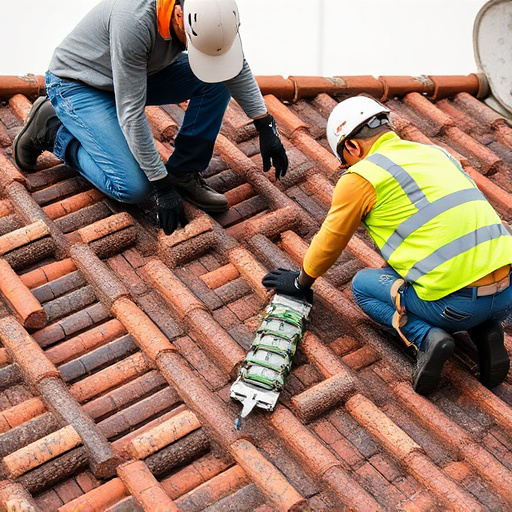
The Tucson climate presents a unique set of challenges for your roof's longevity. From the intense summer heat to the heavy rainfall of the monsoon season, our desert environment can accelerate the wear and tear of your roofing system. Trees, pests, and rooftop equipment are the silent culprits that can further compromise its integrity. Neglecting these issues can lead to costly repairs or even the premature replacement of your roof, impacting both your home value and your wallet. This article offers a practical guide to seasonal roof care, including expert tips on how to protect your investment, especially with regard to vacant homes, ensuring your roof remains in top shape through every Tucson season.
- Assessing Tree Impact on Roofs
- Pest Infestations: Signs and Solutions
- Rooftop Equipment: Maintenance Musts
- Natural Strategies for Roof Care in Empty Homes
Assessing Tree Impact on Roofs
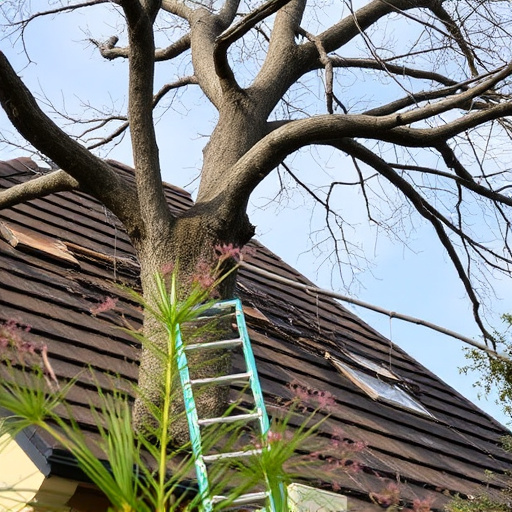
Trees, an integral part of many Tucson landscapes, can significantly impact a roof's longevity and overall health, especially when left unmaintained. As a roofing contractor serving Tucson and Oro Valley, we frequently encounter the effects of tree proximity on roofing systems. The key to preserving your roof lies in understanding how trees and their associated elements contribute to wear and tear.
One of the primary concerns is the accumulation of debris from trees, such as leaves, pine needles, and twigs, which can block gutters and drains. This blockage prevents proper water flow, leading to potential leaks and damage. Regular cleaning of gutters and roof drains is essential, especially during the monsoon season, to ensure water can freely flow off the roof. A dense stand of trees near your home might require more frequent gutter cleaning to mitigate this issue.
Trees can facilitate pest infestations, with squirrels, birds, and other wildlife often making roofs their home or food source. Pests can cause significant damage by gnawing on shingles, flashing, and even the structure of the roof. Implementing preventative measures, like sealing roof penetrations and installing bird stops on eaves, is crucial. A simple yet effective method to deter pests is applying a quality sealant around vents and other entry points. Homeowners should also be vigilant about checking for any signs of pest activity, especially during the fall, to ensure prompt treatment.
Rooftop equipment, such as air conditioners (AC units) and swamp coolers, can also suffer due to tree proximity. Branches can obstruct these units, reducing airflow and efficiency. Regular maintenance, including cleaning and ensuring proper clearance, is vital to prolong the life of these systems. An elastomeric coating on roof surfaces can provide an extra layer of protection against UV damage and elements, further extending the life of your roofing system. This type of coating is particularly beneficial for vacant homes, as it offers a cost-effective way to maintain and protect the roof while the property is unoccupied.
Pest Infestations: Signs and Solutions
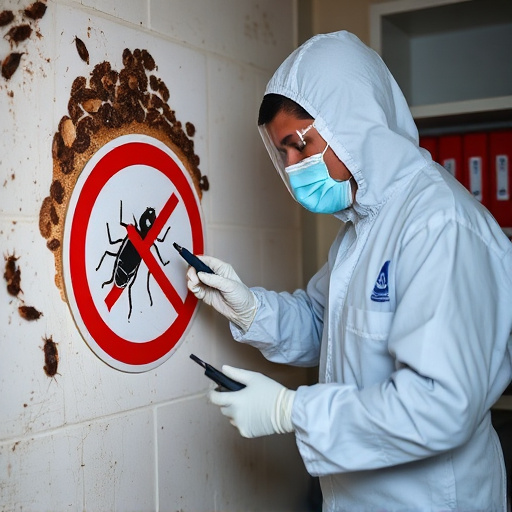
Pest infestations are a significant concern for homeowners, especially in the desert climate of Midtown Tucson. Termites, ants, and other insects can cause extensive damage to a roof over time, compromising its integrity and reducing its lifespan. This is particularly true for vacant homes, where regular maintenance may be neglected. At DC Roofing of Arizona, we often see the effects of pest activity during our roof inspections, and we know how crucial it is to address these issues promptly.
One of the first signs of a pest problem is visible damage. Termite infestations can leave behind small, uniform holes in the shingles or underlayment. Ant nests or bird nests built close to the roof's edge might indicate an entry point for these pests. Piles of chewed or hollowed-out wood from termite activity can be a clear sign that professional intervention is necessary. Regular inspections, especially in the spring and fall, can help catch these issues early. For vacant homes, we recommend a quarterly check to ensure any potential problems are identified and dealt with promptly.
The impact of pests goes beyond structural damage. They can also contribute to further roof issues. Bird nests on or near the roof drain can cause clogs, leading to water damage and leaks. Similarly, an infestation of pigeons or other birds can result in a buildup of droppings, which can corrode metal components like pipe boots and rooftop AC units. Maintaining a clean, pest-free roof is essential for extending the life of these components, ensuring optimal performance, and avoiding costly repairs. Implementing preventive measures, such as sealing entry points and removing potential food sources, can go a long way in keeping pests at bay.
Rooftop Equipment: Maintenance Musts
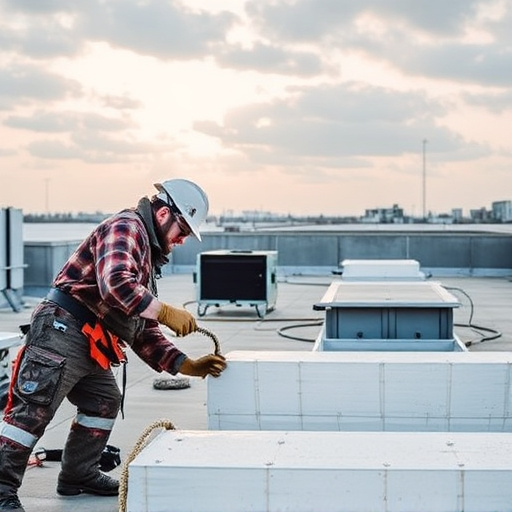
Rooftop equipment plays a crucial role in maintaining your home's shelter, but it's not immune to wear and tear. In the vibrant climate of Midtown Tucson, where the sun shines brightly and monsoons bring intense rainfall, these components require regular attention to ensure they function optimally. Let's explore why roof care for vacant homes involving rooftop equipment is essential, especially when trees, pests, and other environmental factors are at play.
One of the primary concerns is the rooftop air conditioner (or "rooftop AC"), a vital component in our desert environment. Over time, debris like leaves, pine needles, and even birds' nests can accumulate on the unit, hindering air flow. This blockage not only reduces cooling efficiency but can also lead to premature failure. Regular cleaning, ideally during the fall and spring, is crucial to prevent these issues. A local Tucson roofing company recommends inspecting and cleaning the unit and its surrounding areas to ensure optimal performance. Checking and replacing pipe boots, which seal off pipes passing through the roof, is essential. These boots are susceptible to damage from UV radiation and debris, especially during the intense summer heat.
Pest control is another critical aspect of roof care for vacant homes. Termites, ants, and other pests can infiltrate your roof through small cracks or openings, causing significant damage. Trimming trees and shrubs close to the roof can help prevent this. However, it's also important to address any pest infestations promptly to avoid long-term problems. Regular inspections and maintenance plans can identify and mitigate these issues, ensuring your rooftop equipment remains in top condition. Maintaining clear gutters and downspouts is essential to prevent water damage and ensure proper drainage, a critical factor in extending the life of your roof in the harsh desert climate.
Natural Strategies for Roof Care in Empty Homes
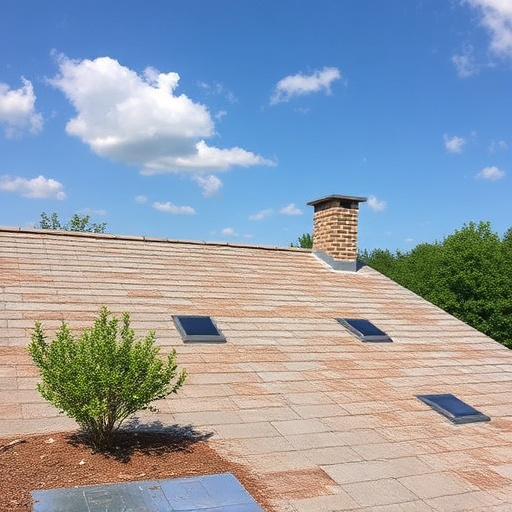
In the arid climate of Tucson, where desert heat can push temperatures well into the 100s, maintaining a roof in top condition is crucial. When a home stands vacant, however, proper roof care can become neglected, leading to accelerated wear and potential damage from natural elements. Trees, pests, and rooftop equipment can all contribute to a roof's deterioration over time, particularly when left unattended. Pine needles and leaves from nearby trees can accumulate on the roof, blocking downspouts and gutters, which can lead to water damage and mold growth. Termites and other pests may also infest a vacant home, causing further structural damage that can compromise the integrity of the roof.
To care for a roof naturally in empty homes, start with regular clearance of debris, especially during monsoon season. This includes removing leaves, branches, and pine needles from the roof and gutters. Proper gutter and downspout cleaning is essential to prevent clogs and water damage. Consider installing pigeon spikes on the roof's edges to deter pigeons and other birds from nesting, reducing the risk of droppings that can stain and damage the roof. For tile or shingle roofs, a professional licensed Arizona roofer may recommend periodic resealing or coating to protect against UV damage and the harsh desert heat.
Rooftop equipment, like swamp coolers or AC units, also require regular attention. These systems can be vulnerable to damage from both the elements and pests. Cleaning and maintaining these units according to the manufacturer's instructions, especially after a haboob, can extend the life of the equipment and the roof. Checking the roof's flashing for any gaps or cracks and repairing them promptly is crucial to prevent water intrusion, which can lead to serious and costly roof damage. By implementing these natural strategies for roof care for vacant homes, homeowners can ensure their roofs remain in excellent condition, protecting their investment and maintaining the home's value.
Frequently Asked Questions About an explainer on how trees, pests and rooftop equipment wear down a roof
What causes a roof to degrade over time? Roof degradation is primarily due to a triple threat: trees, pests, and rooftop equipment. Trees can damage shingles through fallen debris, while their roots can disrupt the roof's structure. Pests like termites and roaches can chew through materials, causing structural weaknesses. Equipment like satellite dishes and air conditioners can also wear down the roof due to constant exposure and weight.
How do trees specifically impact a roof? Trees, especially those close to the house, can significantly impact a roof. Fallen branches and leaves can puncture or damage shingles. Tree roots can penetrate the roof underlayment, causing leaks and structural instability. Over time, the weight of tree branches can also deform the roof, leading to more serious problems.
What kinds of pests can damage a roof? Termites, roaches, ants, and other insects can all cause substantial roof damage. They can gnaw through wood, compromising the roof's trusses and support beams. Pests also leave behind waste, which attracts mold and mildew, further damaging the roof and potentially the interior of the home.
How does rooftop equipment affect the lifespan of a roof? Rooftop equipment like air conditioners, satellite dishes, and solar panels can accelerate roof wear. Their weight can cause stress points and deformations. Constant exposure to weather conditions, such as wind and sun, combined with these additional weights, can shorten the roof's lifespan. Regular maintenance and secure installations are crucial to mitigate these effects.
When should I be concerned about my roof's health? You should be concerned if you notice any signs of damage, such as leaks, strange noises, or uneven spots on the roof. Regular visual inspections, especially after severe weather, can help catch issues early. If you suspect pest activity or equipment is causing problems, it's best to consult a professional immediately.
Who should I contact for roof repairs or maintenance? For professional roof repairs and maintenance, contact a licensed Tucson roofing contractor like DC Roofing of Arizona. They have the expertise and tools to address tree damage, pest issues, and equipment-related problems, ensuring your roof remains in top condition.
How often should I have my roof inspected? Most roofs should be inspected at least once a year, or more frequently if they're older or in a high-risk area. These inspections can help identify minor issues before they become major, costly repairs. A licensed roofer can provide a thorough assessment and maintenance recommendations.
As we've explored the key factors that impact a roof's longevity, several practical takeaways emerge. First, managing tree growth around your property is crucial, especially in a desert climate like Tucson. Regular tree trimming near the roof can prevent branches from causing damage during monsoon storms and reducing the risk of fallen debris.
Second, pest infestations can significantly weaken a roof structure. From ants and termites to rodents, these invaders can infiltrate through the smallest gaps. Implementing proactive pest control measures and regular inspections is essential, especially in vacant homes. Natural, non-toxic solutions like essential oil-based repellents can be effective deterrents.
Rooftop equipment, from AC units to solar panels, requires regular cleaning and maintenance. Accumulated dust, dirt, and debris can hinder their performance and efficiency. A simple gutter and downspout cleaning routine, along with periodic roof drain clearing, goes a long way in keeping these systems optimized.
For vacant homes, natural roof care practices are particularly important. This includes regular cleaning to remove dust buildup and the use of UV-protective coatings to mitigate sun damage. Maintaining a roof maintenance log and scheduling professional inspections are also valuable strategies to ensure any issues are addressed promptly.
By integrating these care practices into your seasonal roof maintenance calendar, you can extend the life of your roof, preserve its value, and ensure your home remains protected against the elements, whether it's a haboob or a quiet, sunny day in the desert.
Tucson roofs face challenges from trees, pests, and equipment. Regular cleaning, pest prevention, and equipment maintenance are crucial for vacant homes. Remove debris, seal entry points, maintain rooftop equipment, and use protective coatings to extend roof life. These natural strategies safeguard against damage, ensuring roof integrity and home value.