Tucson's extreme climate demands strategic roof maintenance focusing on ventilation and high-quality insulation for year-round energy efficiency. Regular inspections, timely repairs, and preventative care using balanced systems of materials and installation extend roof lifespan, save costs, and ensure indoor comfort. Key practices include proper vent placement, assessing attic insulation for gaps or uneven distribution (R-value 38-49), and integrating reflectivity barriers for enhanced efficiency. Professional guidance tailored to local codes is essential for optimal performance, cost savings, and sustainable roofing in Tucson's diverse climate.
In Tucson's unique climate, proper roof maintenance is not just a recommendation—it's an investment. With scorching summers and mild winters, our roofs endure significant strain, making quality ventilation and insulation crucial for home longevity and energy efficiency. Despite their importance, these aspects are often overlooked, leading to common issues like mold growth, excessive energy bills, and structural damage over time. This article delves into the significance of roof ventilation and insulation, offering practical insights for Tucson residents aiming to optimize their roof's performance through expert roof maintenance Tucson naturally provides.
- Understanding Tucson's Roof Ventilation Needs
- Benefits of Proper Insulation for Your Home
- Evaluating Roof Maintenance in Tucson: Key Factors
- Best Practices for Effective Roof Venting
- Choosing Insulation: A Guide for Tucson Residents
Understanding Tucson's Roof Ventilation Needs
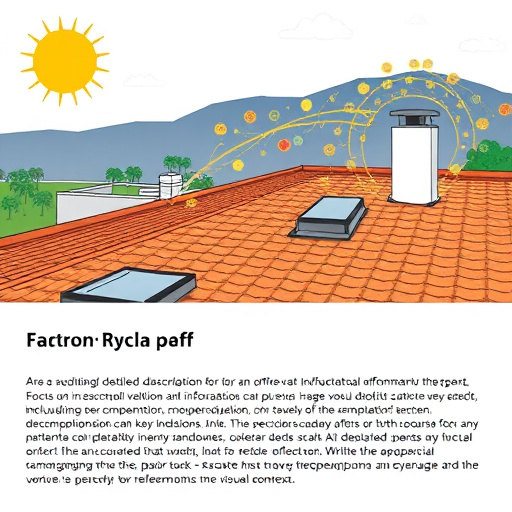
Tucson's unique climate presents specific challenges for roof ventilation and insulation. With a mix of hot, dry summers and mild winters, maintaining a balanced indoor environment requires strategic approaches. Understanding these needs is crucial for effective roof maintenance Tucson residents should employ. The primary focus should be on both preventing heat gain during summer months and minimizing heat loss in winter, ensuring optimal energy efficiency year-round.
Roof ventilation plays a pivotal role in this strategy. Adequate ventilation helps regulate indoor temperatures by allowing hot air to escape and cooler air to enter. In Tucson's climate, where temperatures can surge above 100°F during the summer, proper ventilation is essential for preventing excessive heat buildup inside homes. Well-designed roof vents, such as ridge vents or soffit vents, facilitate the flow of air, reducing the strain on cooling systems and lowering energy costs. By maintaining a consistent air movement throughout the attic space, these systems help prevent the formation of hotspots, which can cause premature wear and tear on roofing materials.
Moreover, proper roof insulation is integral to preventive roof care in Tucson. Insulation acts as a barrier against extreme temperatures, helping to keep heat out during summer and cold air in during winter. For example, reflective barriers or cool roofs—which reflect sunlight and absorb less heat—can significantly reduce the amount of heat transferred into attics. This simple yet effective measure can lead to substantial energy savings by reducing the workload on air conditioning systems. Regular inspections and timely repairs are also vital components of roof maintenance Tucson's climate demands, ensuring that any issues are addressed before they become costly problems.
Benefits of Proper Insulation for Your Home
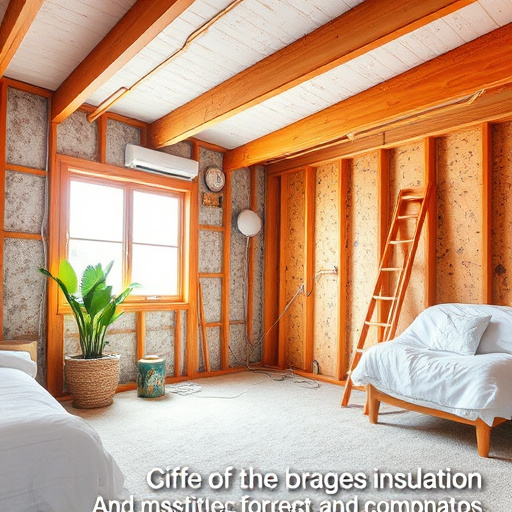
Proper insulation plays a pivotal role in maintaining a comfortable and energy-efficient home environment, particularly in Tucson's unique climate. With extreme temperatures year-round, effective roof maintenance Tucson naturally revolves around ensuring your home can withstand these challenges. Insulation acts as a protective barrier, preventing heat transfer between the indoor space and the external environment, thus reducing the strain on cooling and heating systems. This, in turn, translates to significant energy savings and enhanced comfort for residents.
The benefits of proper insulation extend beyond mere cost efficiency. It also contributes to extending the lifespan of your roof. Without adequate insulation, roofs can experience significant thermal stress, leading to premature aging and potential damage. For instance, during the scorching Tucson summers, unchecked heat absorption can cause shingles to deteriorate faster. Conversely, in the colder months, rapid temperature changes can lead to ice damming, causing water leakage and structural damage. By investing in quality insulation, homeowners can protect their roofs from these issues, fostering preventive roof care that is crucial for long-term durability.
Moreover, Tucson's diverse weather patterns necessitate year-round protection. Insulation not only regulates indoor temperatures but also helps mitigate noise pollution by reducing sound transmission between rooms. This is especially valuable in densely populated areas where peace and quiet are paramount. Additionally, high-quality insulation can enhance air quality by preventing the growth of mold and mildew, which thrive in moist environments often created by improper ventilation. By addressing these concerns, homeowners can ensure their families enjoy a healthier living space while preserving the structural integrity of their homes through effective roof maintenance Tucson specifically recommends as part of preventive care practices 1-3 times annually.
Evaluating Roof Maintenance in Tucson: Key Factors
Tucson's diverse climate presents unique challenges for roof maintenance, requiring proactive strategies to ensure longevity and performance. Evaluating roof care in this environment involves a nuanced understanding of local conditions and material compatibility. One of the key factors is recognizing the critical role of both insulation and ventilation. Insufficient insulation can lead to excessive heat absorption, causing the roof structure to work overtime, while improper ventilation hinders moisture dissipation, creating an ideal breeding ground for mold and rot.
A comprehensive approach to roof maintenance in Tucson involves regular assessment and addressing these dual aspects. Preventive roof care should be a top priority for homeowners and property managers alike. This includes inspecting the insulation for any signs of damage or degradation and ensuring adequate ventilation through soffit and ridge vents. For instance, data from local weather stations shows that Tucson experiences an average of over 250 sunny days per year, highlighting the importance of preventing heat buildup in attics. Proper insulation and ventilation work in harmony to maintain optimal temperatures, reducing the risk of structural damage and extending the life of roofing materials.
Expert recommendations often emphasize the need for a balanced system. Simply adding more insulation without considering ventilation can create a stagnant environment conducive to moisture issues. Conversely, inadequate insulation paired with proper ventilation might lead to energy losses during colder months. Therefore, a strategic combination of high-quality materials and careful installation is essential. Regular preventive roof care, including seasonal inspections, allows for early detection of problems and facilitates timely repairs, ultimately saving costs and ensuring the integrity of Tucson's diverse roofing landscapes.
Best Practices for Effective Roof Venting
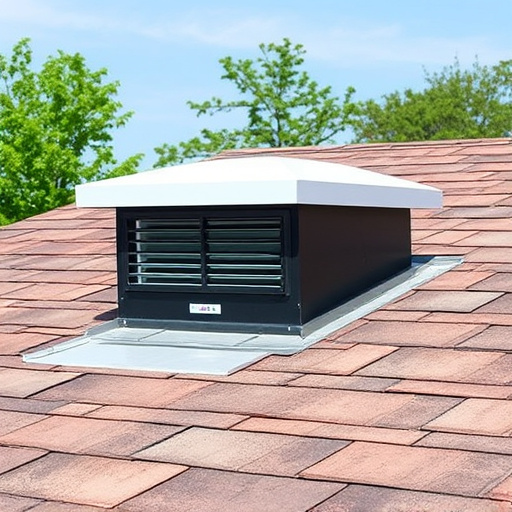
In Tucson, effective roof ventilation plays a crucial role in maintaining optimal building performance and extending the lifespan of your roofing system. With our region's distinct climate characterized by intense summers and mild winters, proper venting is essential to prevent heat buildup, reduce moisture issues, and mitigate structural damage. Best practices for roof ventilation involve strategic placement of vents across the entire roof surface, ensuring a continuous flow of air from the underside to the peak. This natural cycle helps regulate temperatures, decreases pressure differentials, and prevents excessive wear and tear on the roofing materials.
Preventive roof care in Tucson involves regular inspections and maintenance to identify potential problems early on. By integrating effective venting strategies into your roof maintenance Tucson naturally approach, you can significantly enhance energy efficiency, reduce the risk of leaks, and prolong the durability of your roof. For instance, studies show that proper ventilation can lower attic temperatures by up to 30 degrees Fahrenheit during summer months, reducing the load on air conditioning systems and saving homeowners significant energy costs. Moreover, adequate airflow helps control humidity levels, preventing mold growth and wood rot—common issues in our area's moist climate.
Implementing best practices for roof ventilation requires careful consideration of factors like roof slope, wind direction, and local building codes. Working with experts in preventive roof care Tucson can provide valuable insights tailored to your specific property. Regular cleaning and maintenance, including inspecting vents for blockages or damage, further ensure the optimal performance of your roof's ventilation system. By prioritizing these practices, homeowners can expect longer-lasting roofs and reduced costs associated with premature replacements or repairs.
Choosing Insulation: A Guide for Tucson Residents
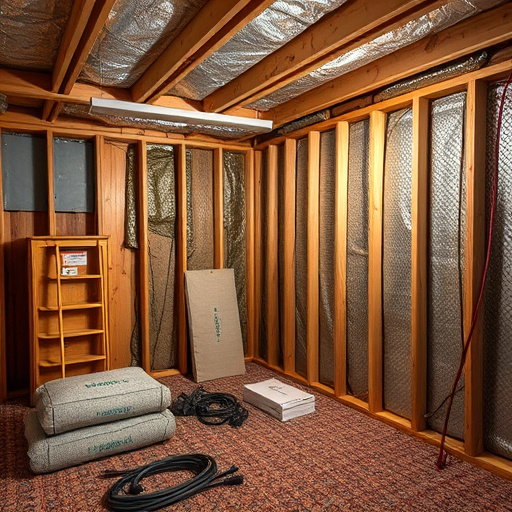
Tucson's unique climate presents specific challenges for roof maintenance. With scorching summers and mild winters, choosing the right insulation is crucial for both energy efficiency and long-term protection. Residents often wonder how to balance cost, comfort, and durability—a decision further complicated by a vast array of options. This guide aims to demystify the process, offering insights into selecting the optimal insulation for your Tucson roof, thereby enhancing your home's value and ensuring preventive roof care.
Start by assessing your attic's current insulation. Is it evenly distributed? Check for gaps or areas with minimal coverage. The goal is to achieve a consistent R-value—a measure of thermal resistance—across your attic. For Tucson, an R-value between R38 and R49 is recommended. Fiberglass and cellulose are common choices due to their affordability and effectiveness. These materials not only insulate but also act as a barrier against moisture, a significant concern in our arid climate. When considering roof maintenance Tucson naturally arises as a priority, as proper insulation can prevent heat transfer, reducing the load on your air conditioning system.
For a more sophisticated solution, reflectivity (or radiant) barriers might be worth exploring. These foil-backed insulations reflect heat back into the attic space, further enhancing energy efficiency. However, they should be used in conjunction with traditional insulations for optimal results. Remember, proper installation is key; consider hiring professionals who understand local building codes and can ensure your roof insulation meets or exceeds industry standards. By investing in quality insulation, Tucson residents can enjoy comfortable indoor temperatures while saving on energy costs—a win-win scenario that contributes to sustainable and efficient roof maintenance.
In conclusion, prioritizing quality roof ventilation and insulation in Tucson is paramount for both home comfort and longevity. Understanding the unique climate challenges of the region, as outlined in this article, guides homeowners and professionals alike in navigating effective roof maintenance in Tucson. Key insights include the essential role proper insulation plays in energy efficiency and temperature regulation, while strategic roof venting mitigates moisture buildup and potential structural damage. By implementing best practices for venting and selecting appropriate insulation types, residents can ensure their homes remain comfortable, safe, and resilient against Arizona's varying weather conditions. These comprehensive strategies represent a robust framework for optimal roof maintenance Tucson environments demand.